


€ 17,00 € 2,99 verzendkosten Totaal € 19,99

Gesponsorde links
|
|
17,00 |
Naar shop
|

|
17,29 |
Naar shop
|

|
17,29 |
Naar shop
|
| VERGELIJK ALLE AANBIEDERS (3) | ||
 Beschrijving
Vergelijk aanbieders (3)
Gesponsorde links · Sommige shops betalen ons een vergoeding
€ 17,00 € 2,99 verzendkosten Totaal € 19,99
€ 17,29 Gratis verzending
€ 17,29 Gratis verzending
Winkels met andere maten
Beschrijving
(1)
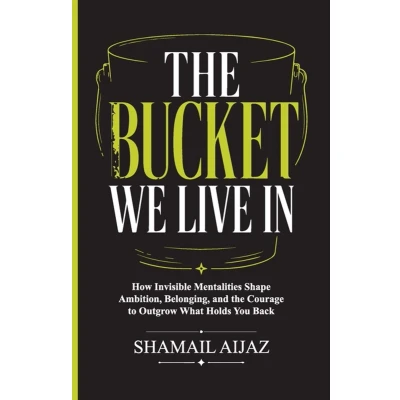
What if the limits you have accepted were never really yours?A crab trying to climb out of a bucket is pulled back by the others. No lid is required. No guard stands above them. The bucket works because everything inside it helps keep everything else inside.Human beings live in invisible buckets too.They are built from the expectations of families, workplaces, communities, cultures, and sometimes our own minds. They teach us what is realistic, how far we should reach, when we should stay quiet, and what happens when someone begins to outgrow the room.The Bucket We Live In explores the hidden mentalities that make these invisible boundaries feel natural.From crab mentality, scarcity thinking, and groupthink to status quo bias, learned helplessness, imposter thinking, and envy-driven comparison, Shamail Aijaz examines how ordinary patterns of thought can quietly shape ambition, belonging, confidence, and possibility.But this is not a book about blaming the people around you.It asks a more uncomfortable question: What happens when the bucket becomes so familiar that you stop noticing its walls?Through twenty concise, reflective chapters, the book explores why people pull one another back, why success can sometimes feel like betrayal, why capable people learn to make themselves smaller, why familiar environments can feel safer than better ones, and what begins to change when a person finally enters a different room.This is not a conventional self-help book filled with formulas, exercises, or promises of transformation.It is a book about recognition.About seeing the difference between humility and self-reduction. Between stability and stagnation. Between belonging and containment. Between caution and fear disguised as logic. Between the limits that are real and the limits we have simply learned to obey.Because sometimes the most important realization is not that you need to climb faster.It is that the bucket was never the whole world.
 Prijshistorie
* Prijshistorie bevat geen data van Amazon, Amazon Marketplace.
Prijzen voor het laatst bijgewerkt op:
 Gerelateerde resultaten
 Productspecificaties


