


€ 28,99 Gratis verzending

Uitgelicht
|
|
28,99 |
Naar shop
|

|
35,83 |
Naar shop
|
| VERGELIJK ALLE AANBIEDERS (2) | ||
 Beschrijving
Vergelijk aanbieders (2)
€ 28,99 Gratis verzending
gebruikt € 35,83 Gratis verzending
Winkels met andere maten
Beschrijving
(2)
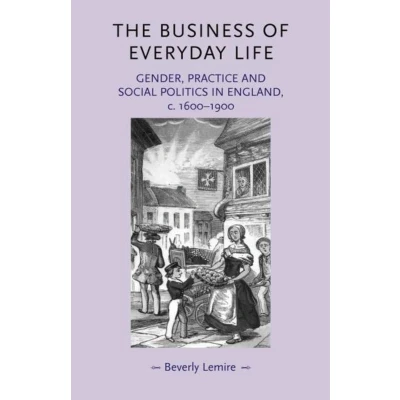
The book explores the previously under-researched patterns and practices that fashioned a modern consumer society, charting the evolving habits among English men and women across three centuries. From 1600 to 1900 a growing consumerism fired the English economy, shaping the priorities of individuals, and determining the allocation of resources within families. Everyday business might mean making a trip to the pawnbroker, giving a loan to a trusted friend of selling off a coat, all to make ends meet. Both women and men engaged in this daily budgeting, but women’s roles were especially important in achieving some level of comfort and avoiding penury. In some communities, the daily practices in place in the seventeenth century persisted into the twentieth, whilst other groups adopted new ways, such as using numbers to chart domestic affairs and turning to the savings banks that appeared in the nineteenth century. In the material world of the past and in the changing habits of earlier generations lie crucial turning points. This book explores these previously under-researched patterns and practices that gave shape to modern consumer society. From 1600 to 1900 a growing consumerism fired the English economy, shaping the priorities of individuals, and determining the allocation of resources within families. Everyday business might mean making a trip to the pawnbroker, giving a loan to a trusted friend of selling off a coat, all to make ends meet. Both women and men engaged in this daily budgeting, but women’s roles were especially important in achieving some level of comfort and avoiding penury. In some communities, the daily practices in place in the seventeenth century persisted into the twentieth, whilst other groups adopted new ways, such as using numbers to chart domestic affairs and turning to the savings banks that appeared in the nineteenth century. In the material world of the past and in the changing habits of earlier generations lie crucial turning points. This book explores these previously under-researched patterns and practices that gave shape to modern consumer society.
Bol PartnerIn times past, everyday business might mean making a trip to the pawnbroker, giving a loan to a trusted friend of selling off a coat, all to make ends meet. Both women and men engaged in this daily budgeting, but women's roles were especially important in achieving some level of comfort and avoiding penury. In some communities, the daily practices in place in the seventeenth century persisted into the twentieth, whilst other groups adopted new ways, such as using numbers to chart domestic affairs and turning to the savings banks that appeared in the nineteenth century. These strategies promised respectability and greater access to new consumer goods: better clothes and finer furnishings accompanied a newly disciplined behaviour. Therefore, in the material world of the past and in the changing habits of earlier generations lie crucial turning points. This book explores these previously under-researched patterns and practices that gave shape to modern consumer society. -- .
 Productspecificaties
| EAN |
|
|---|---|
| Maat |
|
 Prijshistorie
Prijzen voor het laatst bijgewerkt op:
 Gerelateerde resultaten


