


€ 23,24 € 2,99 verzendkosten Totaal € 26,23

Gesponsorde links
|
|
23,24 |
Naar shop
|

|
66,99 |
Naar shop
|
| VERGELIJK ALLE AANBIEDERS (2) | ||
 Beschrijving
Vergelijk aanbieders (2)
Gesponsorde links · Sommige shops betalen ons een vergoeding
€ 23,24 € 2,99 verzendkosten Totaal € 26,23
€ 66,99 Gratis verzending
Winkels met andere maten
Beschrijving
(1)
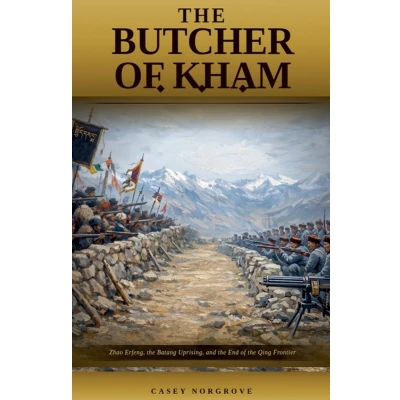
In 1905, a Manchu reform commissioner arrived in the remote Tibetan valley of Batang with a programme of aggressive frontier modernization - seizing monastic land, capping monk populations, and planting Han settlers on sacred ground. Within weeks, the valley's warrior monks and Khampa farmers had besieged the imperial compound, killed a Qing general, and ambushed the commissioner himself in a mountain gorge. The Batang Uprising had begun.What followed was one of the most consequential episodes in the modern history of the Sino-Tibetan borderlands. French Catholic missionaries were hunted down and executed. A regional insurgency swept through the river valleys of eastern Tibet. And the Qing dynasty unleashed Zhao Erfeng - the man history would remember as the Butcher of Kham - whose punitive campaigns destroyed the great monasteries of Kangning and Chantreng, abolished the hereditary chieftain system, and imposed a comprehensive administrative transformation on a world that had governed itself for centuries.But the price was catastrophic. The fiscal strain of Zhao Erfeng's frontier campaigns helped ignite the Sichuan Railway Protection Movement of 1911. The military diversion that followed opened the security vacuum that allowed the Wuchang Uprising to topple the dynasty itself. A local rebellion in a remote gorge valley helped end two and a half centuries of Qing imperial rule - and set the template for China's governance of Tibet that the twentieth century would amplify to devastating effect.
 Prijshistorie
* Prijshistorie bevat geen data van Amazon.
Prijzen voor het laatst bijgewerkt op:
 Gerelateerde resultaten
 Productspecificaties


