

€ 17,12 Gratis verzending

Uitgelicht
|
|
17,12 |
Naar shop
|

|
17,12 |
Naar shop
|

|
18,00 |
Naar shop
|
| VERGELIJK ALLE AANBIEDERS (3) | ||
 Beschrijving
Vergelijk aanbieders (3)
€ 17,12 Gratis verzending
€ 17,12 Gratis verzending
€ 18,00 € 2,99 verzendkosten Totaal € 20,99
Winkels met andere maten
Beschrijving
(1)
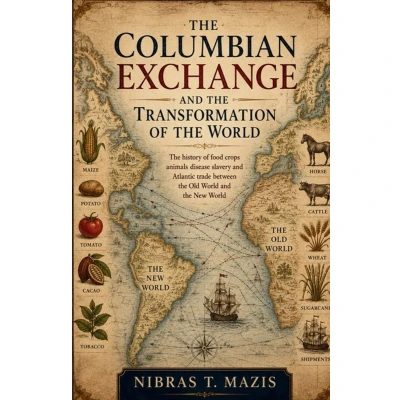
The Columbian Exchange and the Transformation of the World reveals how the voyages that followed 1492 reshaped life across Europe, Africa, Asia, and the Americas. Food crops, animals, diseases, people, and ideas crossed the Atlantic in both directions. Potatoes, maize, tomatoes, cacao, and tobacco changed diets and economies across the Old World. Horses, cattle, pigs, wheat, and sugarcane transformed landscapes and labor in the Americas. These exchanges connected distant societies more closely than ever before. The consequences were not equal. Epidemic diseases devastated Indigenous communities. Colonial expansion brought forced labor, land seizure, and violence. The growth of sugar plantations intensified the Atlantic slave trade, carrying millions of Africans into brutal systems of exploitation. At the same time, enslaved Africans and Indigenous communities resisted oppression, preserved traditions, and helped shape new societies across the Atlantic world. From the first encounters in the Caribbean to the spread of global trade, this history follows the movement of crops, animals, disease, silver, sugar, tobacco, and human labor. It explains how ports grew, empires competed, cuisines changed, populations shifted, and cultures adapted through centuries of contact. The Columbian Exchange was more than a movement. It was a turning point in world history whose effects remain visible in modern food, agriculture, language, trade, and society.
 Prijshistorie
 * Prijshistorie bevat geen data van Amazon, Amazon Marketplace.
Prijzen voor het laatst bijgewerkt op:
 Gerelateerde resultaten
 Productspecificaties


