

€ 10,20 Gratis verzending

Uitgelicht
|
|
10,20 |
Naar shop
|

|
10,20 |
Naar shop
|

|
11,50 |
Naar shop
|
| VERGELIJK ALLE AANBIEDERS (3) | ||
 Beschrijving
Vergelijk aanbieders (3)
€ 10,20 Gratis verzending
€ 10,20 Gratis verzending
€ 11,50 € 2,99 verzendkosten Totaal € 14,49
Winkels met andere maten
Beschrijving
(1)
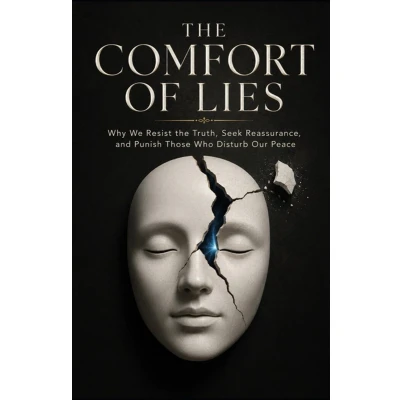
The Comfort of Lies explores why people claim to value honesty while often resisting truths that threaten comfort, identity, belonging, or emotional security. Reassurance can calm fear and support resilience, but it becomes dangerous when it replaces reality, protects avoidance, or prevents necessary change. The book shows how self-deception, selective memory, group loyalty, social media, workplace culture, and personal relationships can all reinforce comforting beliefs.It also explains why difficult truths often feel like threats rather than neutral information. Criticism can challenge self-worth, conflict can threaten love, and changing a belief can risk social rejection. Because of this, people may deny facts, attack the messenger, overexplain their actions, or seek communities that continually confirm what they already believe. The book distinguishes genuine honesty from cruelty, arguing that "brutal honesty" often hides aggression, resentment, or a desire for superiority.Ultimately, the book advocates compassionate candor: telling the truth clearly while preserving human dignity. It encourages readers to tolerate uncertainty, receive feedback without collapsing, admit mistakes, establish honest boundaries, and stop depending on constant approval. Its central message is that lasting peace does not come from avoiding disruption; it comes from building enough courage and resilience to face reality without losing hope, compassion, or self-respect.
 Prijshistorie
 * Prijshistorie bevat geen data van Amazon, Amazon Marketplace.
Prijzen voor het laatst bijgewerkt op:
 Gerelateerde resultaten
 Productspecificaties


