

€ 15,63 Gratis verzending

Uitgelicht
|
|
15,63 |
Naar shop
|

|
15,63 |
Naar shop
|

|
17,00 |
Naar shop
|
| VERGELIJK ALLE AANBIEDERS (3) | ||
 Beschrijving
Vergelijk aanbieders (3)
€ 15,63 Gratis verzending
€ 15,63 Gratis verzending
€ 17,00 € 2,99 verzendkosten Totaal € 19,99
Winkels met andere maten
Beschrijving
(1)
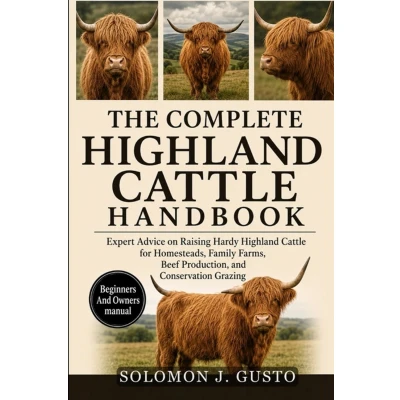
Introduction to Highland Cattle Highland cattle are among the oldest and most recognizable cattle breeds in the world. Famous for their long, shaggy coats and sweeping horns, these hardy animals have earned a reputation for thriving in harsh climates where many other breeds struggle. Originally developed in the rugged Highlands and islands of Scotland, Highland cattle are valued today for their resilience, gentle temperament, efficient grazing ability, and premium-quality beef. They are raised on farms and ranches across Europe, North America, Australia, New Zealand, and many other parts of the world. Whether you are interested in producing high-quality beef, practicing sustainable grazing, conserving grasslands, or simply keeping a beautiful heritage breed, Highland cattle offer a rewarding farming experience. Understanding their history, characteristics, and management needs is the first step toward successful ownership. History and Origin of Highland Cattle Highland cattle trace their ancestry back more than a thousand years to the rugged mountains and coastal regions of Scotland. They developed naturally in one of the harshest agricultural environments in Europe, where cold temperatures, heavy rainfall, rocky terrain, and limited forage shaped their remarkable adaptability. Historically, two closely related types existed: - The West Highland (Kyloe) cattle came from Scotland's western islands and were generally smaller with exceptionally thick coats. The name "Kyloe" refers to cattle that crossed the narrow sea straits, or "kyles," to reach mainland markets.- The Mainland Highland cattle were larger and lived throughout the Scottish Highlands.Over time, these two types were selectively bred together, forming the modern Highland breed known today. The Highland Cattle Society was established in Scotland in 1884 to maintain breed standards and preserve the breed's genetic integrity. Since then, Highland cattle have spread worldwide while remaining one of the oldest registered cattle breeds. Today, Highland cattle are prized not only for agricultural production but also for conservation grazing, eco-friendly land management, and preservation of rare livestock genetics. Unique Characteristics and Appearance Highland cattle possess several distinctive features that make them instantly recognizable. Long Double Coat Their thick double-layered coat provides excellent insulation.- The outer layer consists of long, coarse guard hairs that repel rain and snow.- The soft undercoat traps body heat, allowing them to remain comfortable in freezing temperatures.Because of this natural insulation, Highland cattle generally require less body fat than short-haired breeds, contributing to lean, flavorful beef.
 Prijshistorie
 * Prijshistorie bevat geen data van Amazon, Amazon Marketplace.
Prijzen voor het laatst bijgewerkt op:
 Gerelateerde resultaten
 Productspecificaties


