


€ 111,30 € 104,99 Gratis verzending

Uitgelicht
|
|
111,30
104,99 |
Naar shop
|

|
207,99 |
Naar shop
|
| VERGELIJK ALLE AANBIEDERS (2) | ||
 Beschrijving
Vergelijk aanbieders (2)
€ 111,30 € 104,99 Gratis verzending
€ 207,99 Gratis verzending
Winkels met andere maten
Beschrijving
(1)
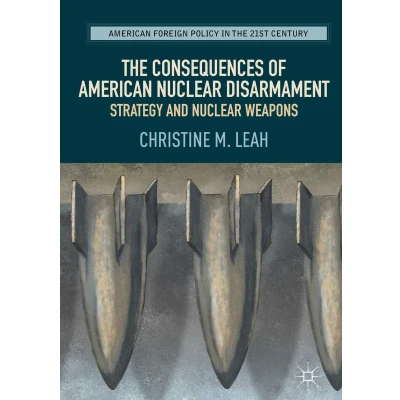
It argues that, given the extent of nuclear weapons' influence on these concepts and the implications for international security, further reductions beyond current Strategic Arms Reduction Talks (START) levels, and the more absolute idea of nuclear disarmament, may not necessarily be prudent ideas. This book presents the strategic consequences of both deep nuclear reductions and complete disarmament in the United States. Christine M. Leah argues that, given the extent of nuclear weapons' influence on US strategic thinking and the implications for international security, further reductions beyond current Strategic Arms Reduction Talks (START) levels may not necessarily be a prudent idea. Nuclear weapons have contributed to the avoidance of major wars between states, both lengthened and legitimized alliances, and have made arms control relatively easier to conceptualize and manage. As such, Leah argues, the mutual control of nations and weapons may become even more difficult to manage if nuclear weapons are marginalized. This book is thus about the future of nuclear weapons, geopolitics, and strategy. This book is about the future of nuclear weapons, geopolitics, and strategy. It examines the legacy of nuclear weapons on US thinking about some concepts of strategy and geopolitics, namely deterrence, extended deterrence, alliances, and arms control. The purpose of this is to demonstrate just how fundamentally nuclear weapons have influenced American thinking about these concepts. It argues that, given the extent of nuclear weapons' influence on these concepts and the implications for international security, further reductions beyond current Strategic Arms Reduction Talks (START) levels, and the more absolute idea of nuclear disarmament, may not necessarily be prudent ideas. Nuclear weapons have contributed to the avoidance of major war between states, made alliances more credible and last longer, and have made arms control relatively easier to conceptualize and manage. As such, the author argues, these concepts may become even more difficult to manage in a world where nuclear weaponsare marginalized.
 Productspecificaties
| EAN |
|
|---|---|
| Maat |
|
 Prijshistorie
Prijzen voor het laatst bijgewerkt op:
 Gerelateerde resultaten


