


€ 17,00 € 2,99 verzendkosten Totaal € 19,99

Uitgelicht
|
|
17,00 |
Naar shop
|

|
21,39 |
Naar shop
|

|
21,39 |
Naar shop
|
| VERGELIJK ALLE AANBIEDERS (3) | ||
 Beschrijving
Vergelijk aanbieders (3)
€ 17,00 € 2,99 verzendkosten Totaal € 19,99
€ 21,39 Gratis verzending
€ 21,39 Gratis verzending
Winkels met andere maten
Beschrijving
(1)
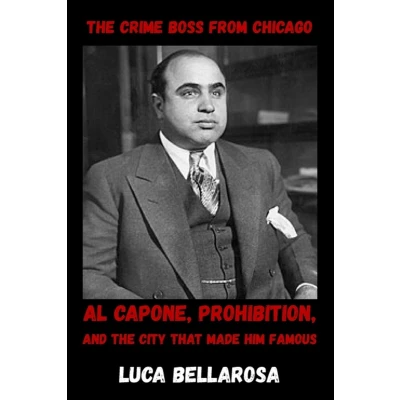
He was never convicted of a single murder. He ran the most notorious criminal organization Chicago had ever seen, presided over the Saint Valentine's Day Massacre, and became the FBI's first "Public Enemy Number One" - and the government finally caught him not for any of it, but for failing to pay his taxes.Al Capone understood something no organized crime figure before him had fully grasped: that fame itself could be a kind of armor. While Charles "Lucky" Luciano was quietly redesigning the architecture of American organized crime in New York, Capone was doing the opposite in Chicago - courting reporters, opening soup kitchens for the cameras, posing at Cubs games, building a public brand so sympathetic that even his own violence struggled to stick to it. For most of the 1920s, the strategy worked brilliantly. Then it made him the most recognizable target in the country.This book separates the documented Capone from the legend - correcting the record on his Neapolitan (not Sicilian) roots, the real investigators behind his downfall, and the true story of the Treasury accountants history has largely forgotten in favor of a more photogenic G-man. It follows him from a Brooklyn tenement to the top of Chicago's underworld, through the Beer Wars and the Massacre, into a rigged jury pool and an eleven-year sentence, and finally to a quiet Florida death far removed from the myth he spent a career building.Capone never built an empire that outlasted him. He built something rarer: a face America has never stopped recognizing.
 Prijshistorie
 * Prijshistorie bevat geen data van Amazon, Amazon Marketplace.
Prijzen voor het laatst bijgewerkt op:
 Gerelateerde resultaten
 Productspecificaties


