
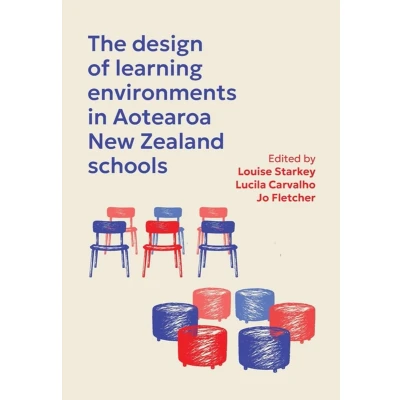
The design of learning environments in Aotearoa New Zealand schools
Uitgelicht

|
43,00 |
Naar shop
|

|
95,90 |
Naar shop
|

|
95,90 |
Naar shop
|
| VERGELIJK ALLE AANBIEDERS (3) | ||
 Beschrijving
Bol
Between 2010 and 2025, the design of school learning environments in Aotearoa New Zealand underwent a profound transformation as schools were redesigned and modernised in a major nationwide building program. Classroom spaces were designed to a brief to be innovative or flexible which resulted in the construction of bespoke shared teaching spaces. This created tensions and opportunities for the teachers using these spaces.This edited collection brings together leading researchers to examine the promises, challenges, and complexities of innovative learning environments between 2010 and 2025. Moving beyond debates about architecture and furniture alone, the contributors examine how learning spaces interact with curriculum, pedagogy, technology, leadership, assessment, and community expectations. Drawing on contemporary research from schools and kura throughout the country, the book offers critical reflections on the transition to flexible learning spaces and the diverse experiences of teachers, students, leaders, and whānau. It explores te wāhi ako Māori learning spaces, where pedagogy, curriculum, space, and identity work together to counterbalance exclusionary structures in schooling.Rich in evidence, insight, and practical implications, this volume provides a timely update on the state of learning environments in Aotearoa New Zealand. It will be essential reading for educators, school leaders, policymakers, researchers, architects, and anyone interested in how the design of educational spaces influences teaching, learning, and the future of schooling.


 Beschrijving
(1)
Beschrijving
(1)
Between 2010 and 2025, the design of school learning environments in Aotearoa New Zealand underwent a profound transformation as schools were redesigned and modernised in a major nationwide building program. Classroom spaces were designed to a brief to be innovative or flexible which resulted in the construction of bespoke shared teaching spaces. This created tensions and opportunities for the teachers using these spaces.This edited collection brings together leading researchers to examine the promises, challenges, and complexities of innovative learning environments between 2010 and 2025. Moving beyond debates about architecture and furniture alone, the contributors examine how learning spaces interact with curriculum, pedagogy, technology, leadership, assessment, and community expectations. Drawing on contemporary research from schools and kura throughout the country, the book offers critical reflections on the transition to flexible learning spaces and the diverse experiences of teachers, students, leaders, and whānau. It explores te wāhi ako Māori learning spaces, where pedagogy, curriculum, space, and identity work together to counterbalance exclusionary structures in schooling.Rich in evidence, insight, and practical implications, this volume provides a timely update on the state of learning environments in Aotearoa New Zealand. It will be essential reading for educators, school leaders, policymakers, researchers, architects, and anyone interested in how the design of educational spaces influences teaching, learning, and the future of schooling.
 Productspecificaties
 Prijshistorie
* Prijshistorie bevat geen data van Amazon, Amazon Marketplace.
Prijzen voor het laatst bijgewerkt op:
 Gerelateerde resultaten


