


€ 39,99 Gratis verzending

Uitgelicht
|
|
39,99 |
Naar shop
|
| VERGELIJK ALLE AANBIEDERS (1) | ||
 Beschrijving
Vergelijk aanbieders (1)
€ 39,99 Gratis verzending
Winkels met andere maten
Beschrijving
(1)
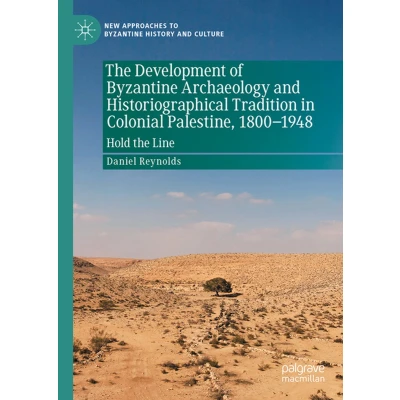
Several excavations of Byzantine sites during the British Mandate were utilised as an historic proof of concept for scientific programmes of ‘desert greening’, and to advocate for the displacement of Arab populations in favour of British economic development and town planning. This book examines the relationship between the emergence of Byzantine archaeology and British colonialism during the period of the British Mandate in Palestine. Taking a single case study, the Negev Desert (now in southern Israel), this study explores how the development of Byzantine archaeology and historical enquiry in the region after 1800 provided the British government with a political and economic blueprint to secure its strategic interests over the Suez Canal. Several excavations of Byzantine sites during the British Mandate were utilised as an historic proof of concept for scientific programmes of ‘desert greening’, and to advocate for the displacement of Arab populations in favour of British economic development and town planning. Invariably, such contemporary concerns to secure British access to the Suez after 1869 shaped the interpretation of Byzantine history. Ideas of the Negev as a timeless ‘frontier zone’, which benefitted from the imposition of a central imperial government and increased economic immigration from a ‘Hellenised’ western Europe, gained a historical precedent in an imagined Byzantine past.
 Productspecificaties
| EAN |
|
|---|---|
| Maat |
|
 Prijshistorie
Prijzen voor het laatst bijgewerkt op:
 Gerelateerde resultaten


