

€ 60,52 Gratis verzending

Uitgelicht
|
|
60,52 |
Naar shop
|

|
60,90 |
Naar shop
|
| VERGELIJK ALLE AANBIEDERS (2) | ||
 Beschrijving
Vergelijk aanbieders (2)
€ 60,52 Gratis verzending
€ 60,90 Gratis verzending
Winkels met andere maten
Beschrijving
(1)
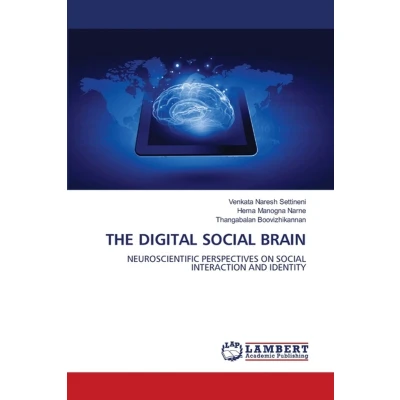
These chapters analyze how the transition from face-to-face interaction to algorithm-driven digital environments is reshaping human psychology, biology, and society. Digital communication strips away rich social cues, promotes curated identities, and replaces communal belonging with metric-based validation, increasing cognitive load, stress, social comparison, and identity conflict. Platforms deliberately exploit reward and threat systems through unpredictable feedback, emotional amplification, and personalized feeds, fostering compulsive use, attentional fragmentation, emotional reactivity, and reduced empathy and executive control. Chronic digital stress disrupts neural regulation, dopamine signaling, the HPA axis, autonomic balance, sleep, metabolism, and cardiovascular function, contributing to anxiety, depression, inflammation, and long-term disease risk. Psychophysiological evidence from EEG, HRV, cortisol, and neuroimaging demonstrates weakened prefrontal control, altered reward sensitivity, and persistent sympathetic activation.
 Prijshistorie
 * Prijshistorie bevat geen data van Amazon.
Prijzen voor het laatst bijgewerkt op:
 Gerelateerde resultaten
 Productspecificaties


