


€ 18,00 € 2,99 verzendkosten Totaal € 20,99

Gesponsorde links
|
|
18,00 |
Naar shop
|

|
18,53 |
Naar shop
|

|
18,53 |
Naar shop
|
| VERGELIJK ALLE AANBIEDERS (3) | ||
 Beschrijving
Vergelijk aanbieders (3)
Gesponsorde links · Sommige shops betalen ons een vergoeding
€ 18,00 € 2,99 verzendkosten Totaal € 20,99
€ 18,53 Gratis verzending
€ 18,53 Gratis verzending
Winkels met andere maten
Beschrijving
(1)
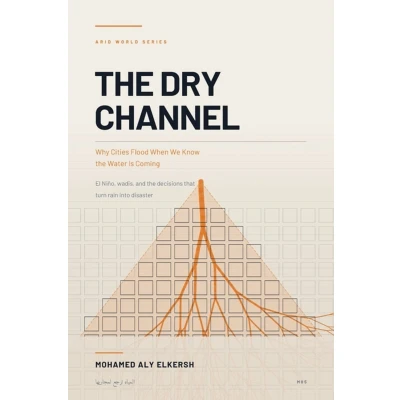
The rain stopped an hour ago. The water arrives at three in the morning. El Niño does not cause floods. It shifts the odds. What happens when the water arrives is decided on the ground - by where the channel was built over, whether the drainage outfall still exists, and how large the culvert under the road is. The Dry Channel explains the Pacific engine in plain terms, then spends most of its length on the part nobody writes about: the permits that authorise encroachment, the filled wadis, the sealed surfaces, the sediment, the road crossings and the buildings that turn a heavy season into a catastrophe. Drawing on documented cases from Peru, Panama, the Netherlands, Saudi Arabia, the United Arab Emirates and Oman, it is careful about what the science supports: no flood in these pages is blamed on El Niño, because that claim cannot be supported. Where the signal is weak, the book says so. It closes with five chapters of specific actions - one each for individuals, traders, investors, manufacturers and governments. Water never forgets where it belongs. People do.
 Prijshistorie
* Prijshistorie bevat geen data van Amazon, Amazon Marketplace.
Prijzen voor het laatst bijgewerkt op:
 Gerelateerde resultaten
 Productspecificaties


