


€ 65,45 Gratis verzending

Gesponsorde links
|
|
65,45 |
Naar shop
|

|
98,17 |
Naar shop
|
| VERGELIJK ALLE AANBIEDERS (2) | ||
 Beschrijving
Vergelijk aanbieders (2)
Gesponsorde links · Sommige shops betalen ons een vergoeding
€ 65,45 Gratis verzending
€ 98,17 Gratis verzending
Winkels met andere maten
Beschrijving
(1)
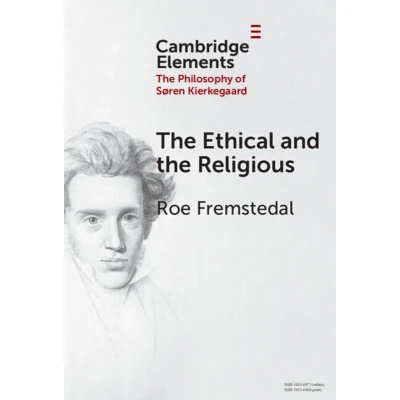
This Element discusses the relation between the ethical and religious as key concepts in Kierkegaard's works. Instead of viewing the ethical and religious mainly as different stages on life's way, it identifies different connections between ethical and religious considerations, reasons, and values. By discussing Abraham's sacrifice of Isaac in Fear and Trembling, it argues that – despite appearances – religion does not undermine but rather supports moral constraints. However, Kierkegaard is clear that our moral requirements exceed our natural capabilities, something that makes divine assistance morally necessary. Thus, religious belief seems supported by moral reasons. Still, we often recognize moral truth without seeing the metaphysical and theological implications of morality. Therefore, moral agents need not be religious believers, although morality nevertheless has metaphysical and theological implications if Kierkegaard is correct. Specifically, Kierkegaard seems to combine realism regarding value with the view that some moral requirements are divinely commanded.
 Prijshistorie
* Prijshistorie bevat geen data van Amazon.
Prijzen voor het laatst bijgewerkt op:
 Gerelateerde resultaten
 Productspecificaties


