


€ 59,99 Gratis verzending

Uitgelicht
|
|
59,99 |
Naar shop
|

|
138,99 |
Naar shop
|
| VERGELIJK ALLE AANBIEDERS (2) | ||
 Beschrijving
Vergelijk aanbieders (2)
€ 59,99 Gratis verzending
€ 138,99 Gratis verzending
Winkels met andere maten
Beschrijving
(1)
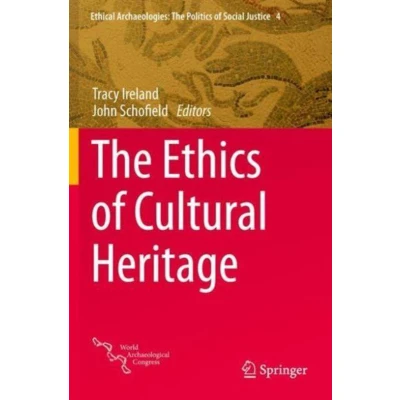
It is widely acknowledged that all archaeological research is embedded within cultural, political and economic contexts, and that all archaeological research falls under the heading ‘heritage’. Most archaeologists now work in museums and other cultural institutions, government agencies, non-government organisations and private sector companies, and this diversity ensures that debates continue to proliferate about what constitutes appropriate professional ethics within these related and relevant contexts. Discussions about the ethics of cultural heritage in the 20th century focused on standards of professionalism, stewardship, responsibilities to stakeholders and on establishing public trust in the authenticity of the outcomes of the heritage process. This volume builds on recent approaches that move away from treating ethics as responsibilities to external domains and to the discipline, and which seek to ensure ethics are integral to all heritage theory, practice and methods. The chapters in this collection chart a departure from the tradition of external heritage ethics towards a broader approach underpinned by the turn to human rights, issues of social justice and the political economy of heritage, conceptualising ethical responsibilities not as pertaining to the past, but to a future-focused domain of social action. It is widely acknowledged that all archaeological research is embedded within cultural, political and economic contexts, and that all archaeological research falls under the heading ‘heritage’. Most archaeologists now work in museums and other cultural institutions, government agencies, non-government organisations and private sector companies, and this diversity ensures that debates continue to proliferate about what constitutes appropriate professional ethics within these related and relevant contexts. Discussions about the ethics of cultural heritage in the 20th century focused on standards of professionalism, stewardship, responsibilities to stakeholders and on establishing public trust in the authenticity of the outcomes of the heritage process. This volume builds on recent approaches that move away from treating ethics as responsibilities to external domains and to the discipline, and which seek to ensure ethics are integral to all heritage theory, practice and methods. The chapters in this collection chart a departure from the tradition of external heritage ethics towards a broader approach underpinned by the turn to human rights, issues of social justice and the political economy of heritage, conceptualising ethical responsibilities not as pertaining to the past, but to a future-focused domain of social action.
 Productspecificaties
| EAN |
|
|---|---|
| Maat |
|
 Prijshistorie
Prijzen voor het laatst bijgewerkt op:
 Gerelateerde resultaten


