


€ 34,89 € 32,90 Gratis verzending

Uitgelicht
|
|
34,89
32,90 |
Naar shop
|

|
87,63 |
Naar shop
|
| VERGELIJK ALLE AANBIEDERS (2) | ||
 Beschrijving
Vergelijk aanbieders (2)
€ 34,89 € 32,90 Gratis verzending
€ 87,63 Gratis verzending
Winkels met andere maten
Beschrijving
(2)
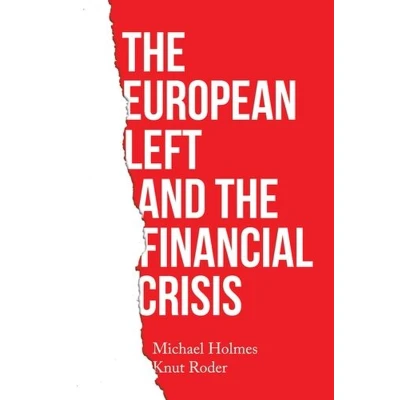
This timely collection addresses key questions including: How did political parties from the left respond to the crisis? What does the crisis mean for the relationship between the left and European integration, and what does it mean for socialism as an economic, political and social project? The financial crisis that erupted on both sides of the Atlantic in 2007–8 initially seemed to offer new political and economic opportunities to the European left. As financial institutions collapsed, traditional left-wing issues were apparently back on the agenda. There was the prospect of a return to a more regulated economy, with widespread state intervention to try to salvage failing banks, leading to increased scrutiny of the wages and bonuses at the upper end of the scale. However, instead of being a trigger for a resurgence of the left, and despite a surge of support for new parties like SYRIZA and Podemos, in many European countries left-wing parties have suffered electoral defeat. At the same time, the crisis has led to austerity programmes being implemented across Europe, causing further erosion of the welfare state and pushing many into poverty. This book examines this crucial period for the left in Europe from a number of perspectives and addresses key questions, including: How did political parties from the left respond to the crisis both programmatically and politically? What does the crisis mean for the relationship between the left and European integration? And what does the crisis mean for socialism as an economic, political and social project? This collection compares ten EU member states and considers a range of different party families of the left, from social democracy through green left to radical left. The global financial crisis of 2007–8 did not offer the political and economic opportunities to the left that many thought it would. As financial institutions collapsed, traditional left-wing issues were apparently back on the agenda. However, instead of being a trigger for a resurgence of the left, in many European countries left-wing parties have suffered savage electoral defeat. At the same time, the crisis has led to austerity programmes being implemented across Europe. This book brings together essays that consider ten EU member states, including all bail-out recipients and some of the main 'donor' states, in an examination of this crucial period for the left in Europe from a number of perspectives. Comparisons are presented between the various EU member states, as well as different party families of the left, from social democracy through green left to radical left.
BolThe global financial crisis of 2007–8 did not offer the political and economic opportunities to the left that many thought it would. As financial institutions collapsed, traditional left-wing issues were apparently back on the agenda. However, instead of being a trigger for a resurgence of the left, in many European countries left-wing parties have suffered savage electoral defeat. At the same time, the crisis has led to austerity programmes being implemented across Europe. This book brings together essays that consider ten EU member states, including all bail-out recipients and some of the main 'donor' states, in an examination of this crucial period for the left in Europe from a number of perspectives. Comparisons are presented between the various EU member states, as well as different party families of the left, from social democracy through green left to radical left.
 Productspecificaties
| EAN |
|
|---|---|
| Maat |
|
 Prijshistorie
 Prijzen voor het laatst bijgewerkt op:
 Gerelateerde resultaten


