
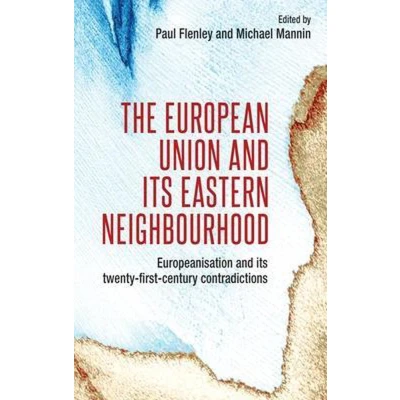
The European Union and Its Eastern Neighbourhood Europeanisation Twenty FirstCentury Contradictions
Uitgelicht

|
85,11 |
Naar shop
|
| VERGELIJK ALLE AANBIEDERS (1) | ||
 Beschrijving
Bol Partner
This volume explores key issues that are currently at the forefront of the EU’s relations with its eastern neighbours. It considers the impact of a more assertive Russia, the significance of Turkey, the limitations of the Eastern Partnership with Belarus and Moldova, the position of a Ukraine in crisis and pulled between Russia and the EU, security and democracy in the South Caucasus. This book explores the ways in which differences in interests, values and identity between the European Union (EU) and its eastern neighbours affect relations between them. Most studies of the EU’s relations with its eastern neighbours concentrate on the European Neighbourhood Policy (ENP) in terms of norm and rule transfer. This volume takes a multidimensional approach. In particular it explores the concept of Europeanisation and sees how the interplay of different factors – identity, geopolitics, domestic political and economic interests as well as history – affect the interpretation of the concept in the eastern neighbourhood. This ultimately can support or limit the impact of the EU’s influence. The volume also goes beyond the members of the ENP to include countries such as Turkey and Russia, for which Europe and Europeanisation play an important part in politics and identity, even if contested and not EU-focused. The volume is timely and relevant for students in its coverage of key issues which dominate the agenda of EU external relations: migration, security, Russia’s power, the significance of Turkey, Ukraine between East and West, and divisions in the EU itself. The aim is to be multi-disciplinary and widely accessible rather than theory-heavy. Contributions also include scholars from across the region covered. The European Union and its eastern neighbourhood will be of interest to undergraduates, postgraduates and teachers in politics, international relations, European Studies and in the area of national identity not only in the EU but also in Turkey, Russia and the US. This volume is timely in that it explores key issues which are currently at the forefront of the EU’s relations with its eastern neighbours. It considers the impact of a more assertive Russia, the significance of Turkey, the limitations of the Eastern Partnership with Belarus and Moldova, the position of a Ukraine in crisis and pulled between Russia and the EU, security and democracy in the South Caucasus. It looks at the contested nature of European identity in areas such as the Balkans. In addition it looks at ways in which the EU’s interests and values can be tested in sectors such as trade and migration. The interplay between values, identity and interests and their effect on the interpretation of europeanisation between the EU and its neighbours is a core theme of the volume.


Vergelijk aanbieders (1)

 Beschrijving
(1)
Beschrijving
(1)
This volume explores key issues that are currently at the forefront of the EU’s relations with its eastern neighbours. It considers the impact of a more assertive Russia, the significance of Turkey, the limitations of the Eastern Partnership with Belarus and Moldova, the position of a Ukraine in crisis and pulled between Russia and the EU, security and democracy in the South Caucasus. This book explores the ways in which differences in interests, values and identity between the European Union (EU) and its eastern neighbours affect relations between them. Most studies of the EU’s relations with its eastern neighbours concentrate on the European Neighbourhood Policy (ENP) in terms of norm and rule transfer. This volume takes a multidimensional approach. In particular it explores the concept of Europeanisation and sees how the interplay of different factors – identity, geopolitics, domestic political and economic interests as well as history – affect the interpretation of the concept in the eastern neighbourhood. This ultimately can support or limit the impact of the EU’s influence. The volume also goes beyond the members of the ENP to include countries such as Turkey and Russia, for which Europe and Europeanisation play an important part in politics and identity, even if contested and not EU-focused. The volume is timely and relevant for students in its coverage of key issues which dominate the agenda of EU external relations: migration, security, Russia’s power, the significance of Turkey, Ukraine between East and West, and divisions in the EU itself. The aim is to be multi-disciplinary and widely accessible rather than theory-heavy. Contributions also include scholars from across the region covered. The European Union and its eastern neighbourhood will be of interest to undergraduates, postgraduates and teachers in politics, international relations, European Studies and in the area of national identity not only in the EU but also in Turkey, Russia and the US. This volume is timely in that it explores key issues which are currently at the forefront of the EU’s relations with its eastern neighbours. It considers the impact of a more assertive Russia, the significance of Turkey, the limitations of the Eastern Partnership with Belarus and Moldova, the position of a Ukraine in crisis and pulled between Russia and the EU, security and democracy in the South Caucasus. It looks at the contested nature of European identity in areas such as the Balkans. In addition it looks at ways in which the EU’s interests and values can be tested in sectors such as trade and migration. The interplay between values, identity and interests and their effect on the interpretation of europeanisation between the EU and its neighbours is a core theme of the volume.
 Productspecificaties
| EAN |
|
|---|---|
| Maat |
|
 Prijshistorie
Prijzen voor het laatst bijgewerkt op:
 Gerelateerde resultaten


