


€ 237,00 Gratis verzending

Uitgelicht
|
|
237,00 |
Naar shop
|

|
287,10 |
Naar shop
|

|
287,10 |
Naar shop
|
| VERGELIJK ALLE AANBIEDERS (3) | ||
 Beschrijving
Vergelijk aanbieders (3)
€ 237,00 Gratis verzending
€ 287,10 Gratis verzending
€ 287,10 Gratis verzending
Winkels met andere maten
Beschrijving
(1)
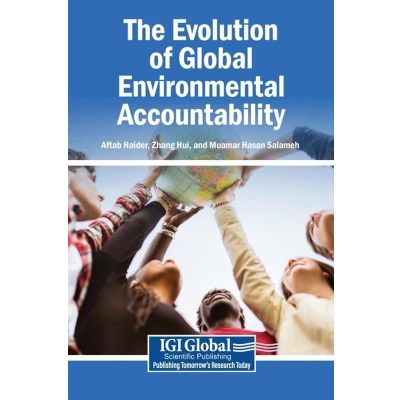
For decades, global environmental governance has relied on non-binding agreements and voluntary commitments, yet ecological degradation continues to accelerate, exposing a persistent gap between ambition and accountability. As the climate crisis intensifies, this limitation signals a shift from "soft law" toward more enforceable and litigated frameworks of responsibility. The very meaning of environmental accountability is being redefined as the traditional shield of state sovereignty weakens under growing legal and societal pressure. Increasingly, domestic courts invoke international standards, and multinational corporations face scrutiny for transnational impacts. Together, these developments reflect a transition toward a more rigorous and globally integrated system of environmental enforcement. The Evolution of Global Environmental Accountability is driven by the recognition that decades of rulemaking have not been matched by effective enforcement. Moving beyond descriptive accounts of treaties, this book focuses on the mechanisms of accountability-examining how legal consequences are defined, applied, and operationalized in practice. Covering topics such as sustainable transport, environmental accountability, and extraterritorial judicial activism, this book is an excellent academic resource for graduate and doctoral students, environmental lawyers, international legal practitioners, arbitrators, policymakers, and more.
 Prijshistorie
 * Prijshistorie bevat geen data van Amazon, Amazon Marketplace.
Prijzen voor het laatst bijgewerkt op:
 Gerelateerde resultaten
 Productspecificaties


