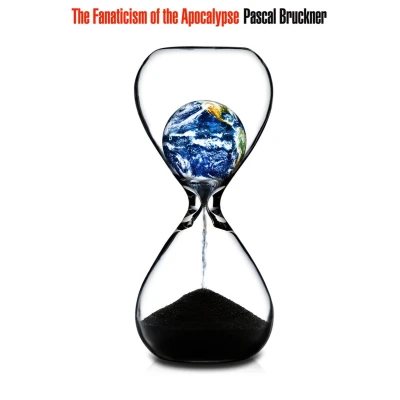

the Fanaticism of Apocalypse

Prijzen vanaf
15,99

Uitgelicht

VERGELIJK ALLE AANBIEDERS (2)

Beschrijving

Bol Partner The planet is sick. Human beings are guilty of damaging it. We have to pay. Today, that is the orthodoxy throughout the Western world. The planet is sick. Human beings are guilty of damaging it. We have to pay. Today, that is the orthodoxy throughout the Western world. Distrust of progress and science, calls for individual and collective self-sacrifice to ‘save the planet’ and cultivation of fear: behind the carbon commissars, a dangerous and counterproductive ecological catastrophism is gaining ground. Modern society’s susceptibility to this kind of thinking derives from what Bruckner calls “the seductive attraction of disaster,” as exemplified by the popular appeal of disaster movies. But ecological catastrophism is harmful in that it draws attention away from other, more solvable problems and injustices in the world in order to focus on something that is portrayed as an Apocalypse. Rather than preaching catastrophe and pessimism, we need to develop a democratic and generous ecology that addresses specific problems in a practical way.

Vergelijk aanbieders (2)

Shop
Prijs
Verzendkosten
Totale prijs
15,99
Gratis
15,99
Naar shop
Gratis Shipping Costs
24,00
gebruikt
Gratis
24,00
Naar shop
Gratis Shipping Costs
Beschrijving (2)
Bol Partner

The planet is sick. Human beings are guilty of damaging it. We have to pay. Today, that is the orthodoxy throughout the Western world. The planet is sick. Human beings are guilty of damaging it. We have to pay. Today, that is the orthodoxy throughout the Western world. Distrust of progress and science, calls for individual and collective self-sacrifice to ‘save the planet’ and cultivation of fear: behind the carbon commissars, a dangerous and counterproductive ecological catastrophism is gaining ground. Modern society’s susceptibility to this kind of thinking derives from what Bruckner calls “the seductive attraction of disaster,” as exemplified by the popular appeal of disaster movies. But ecological catastrophism is harmful in that it draws attention away from other, more solvable problems and injustices in the world in order to focus on something that is portrayed as an Apocalypse. Rather than preaching catastrophe and pessimism, we need to develop a democratic and generous ecology that addresses specific problems in a practical way.

Bol

The planet is sick. Human beings are guilty of damaging it. We have to pay. Today, that is the orthodoxy throughout the Western world. Distrust of progress and science, calls for individual and collective self-sacrifice to ‘save the planet’ and cultivation of fear: behind the carbon commissars, a dangerous and counterproductive ecological catastrophism is gaining ground. Modern society’s susceptibility to this kind of thinking derives from what Bruckner calls “the seductive attraction of disaster,” as exemplified by the popular appeal of disaster movies. But ecological catastrophism is harmful in that it draws attention away from other, more solvable problems and injustices in the world in order to focus on something that is portrayed as an Apocalypse. Rather than preaching catastrophe and pessimism, we need to develop a democratic and generous ecology that addresses specific problems in a practical way.


Productspecificaties

EAN
  • 9780745670140
  • 9780745669762
Maat


Prijshistorie

Prijzen voor het laatst bijgewerkt op:

Uitgelichte Keuze
15,99
Naar shop
