


€ 48,99 Gratis verzending

Uitgelicht
|
|
48,99 |
Naar shop
|

|
68,29 |
Naar shop
|
| VERGELIJK ALLE AANBIEDERS (2) | ||
 Beschrijving
Vergelijk aanbieders (2)
€ 48,99 Gratis verzending
€ 68,29 € 6,43 verzendkosten Totaal € 74,72
Winkels met andere maten
Beschrijving
(1)
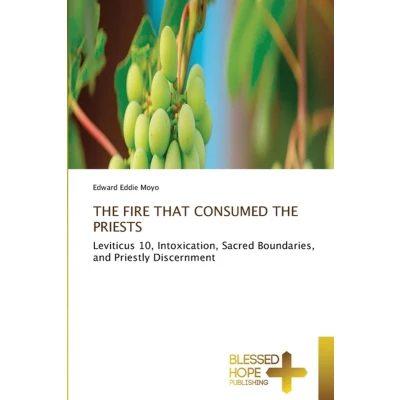
This monograph examines Leviticus 10:8-11 within its literary and cultic context. While Nadab and Abihu's intoxication is not explicitly stated, the immediate placement of the wine prohibition after their deaths creates a strong literary-theological association. The prohibition protects two essential priestly capacities: h¿¿dîl (distinguishing holy/common and unclean/clean) and l¿hôr¿¿ (teaching Israel the statutes). Priestly sobriety is embodied pedagogy-the priest's disciplined life visibly demonstrates the holiness he teaches. Using historical-grammatical exegesis, controlled ancient Near Eastern comparison, and canonical synthesis, the study engages Hittite instructions, prophetic critiques (Isaiah 28, Hosea 4), and New Testament leadership texts. For Seventh-day Adventist theology, total abstinence is best defended through cumulative biblical evidence, embodied discipleship, and missional witness-not proof-texting. The core thesis: the priest must be sober to distinguish, distinguish to teach, and embody what he teaches as a representative of Yahweh's holiness.
 Prijshistorie
* Prijshistorie bevat geen data van Amazon.
Prijzen voor het laatst bijgewerkt op:
 Gerelateerde resultaten
 Productspecificaties


