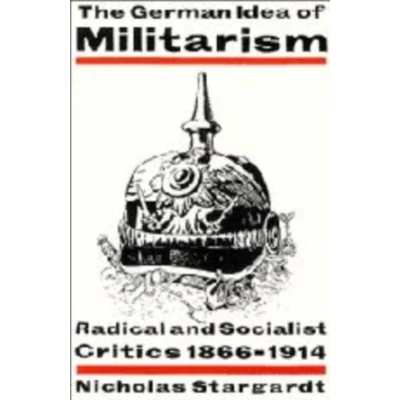

The German Idea of Militarism

Prijzen vanaf
30,99

Uitgelicht

VERGELIJK ALLE AANBIEDERS (2)

Beschrijving

Bol This examines the development of the modern idea of militarism from inception in the 1860s until World War I. Imperial Germany witnessed a controversy over the issue, as the arms race and the military-industrial complex displaced more traditional concerns about authoritarian rule, and militarism gradually acquired its modern meaning. This 1994 book examines the development of the modern idea of militarism from its inception in the 1860s until the outbreak of World War I. Often regarded as the archetypical militarist state, imperial Germany in fact witnessed a major controversy over the issue, which became a touchstone of political opposition. Issues like the arms race and the military-industrial complex displaced more traditional concerns about authoritarian rule, and militarism gradually acquired its modern meaning. The book is part of a wider discovery by historians of the way political identities and ideas intermeshed, contributing to the rise of civil society and new types of politics in modern Europe. The political history of the main protagonist of anti-militarism, German social democracy, is examined, as Nicholas Stargardt reveals the lasting influence of older radical traditions and reappraises the role played by its espousal of Marxism.

Vergelijk aanbieders (2)

Shop
Prijs
Verzendkosten
Totale prijs
30,99
Gratis
30,99
Naar shop
Gratis Shipping Costs
106,13
gebruikt
Gratis
106,13
Naar shop
Gratis Shipping Costs
Beschrijving (2)
Bol

This examines the development of the modern idea of militarism from inception in the 1860s until World War I. Imperial Germany witnessed a controversy over the issue, as the arms race and the military-industrial complex displaced more traditional concerns about authoritarian rule, and militarism gradually acquired its modern meaning. This 1994 book examines the development of the modern idea of militarism from its inception in the 1860s until the outbreak of World War I. Often regarded as the archetypical militarist state, imperial Germany in fact witnessed a major controversy over the issue, which became a touchstone of political opposition. Issues like the arms race and the military-industrial complex displaced more traditional concerns about authoritarian rule, and militarism gradually acquired its modern meaning. The book is part of a wider discovery by historians of the way political identities and ideas intermeshed, contributing to the rise of civil society and new types of politics in modern Europe. The political history of the main protagonist of anti-militarism, German social democracy, is examined, as Nicholas Stargardt reveals the lasting influence of older radical traditions and reappraises the role played by its espousal of Marxism.

Bol Partner

This book examines the development of the modern idea of militarism from its inception in the 1860s until the outbreak of World War I. This 1994 book examines the development of the modern idea of militarism from its inception in the 1860s until the outbreak of World War I. Often regarded as the archetypical militarist state, imperial Germany in fact witnessed a major controversy over the issue, which became a touchstone of political opposition. Issues like the arms race and the military-industrial complex displaced more traditional concerns about authoritarian rule, and militarism gradually acquired its modern meaning. The book is part of a wider discovery by historians of the way political identities and ideas intermeshed, contributing to the rise of civil society and new types of politics in modern Europe. The political history of the main protagonist of anti-militarism, German social democracy, is examined, as Nicholas Stargardt reveals the lasting influence of older radical traditions and reappraises the role played by its espousal of Marxism.


Productspecificaties

EAN
  • 9780521466929
  • 9780521420105
Maat


Prijshistorie

Prijzen voor het laatst bijgewerkt op:

Uitgelichte Keuze
30,99
Naar shop
