

€ 11,12 Gratis verzending

Gesponsorde links
|
|
11,12 |
Naar shop
|

|
12,50 |
Naar shop
|
| VERGELIJK ALLE AANBIEDERS (2) | ||
 Beschrijving
Vergelijk aanbieders (2)
Gesponsorde links · Sommige shops betalen ons een vergoeding
€ 11,12 Gratis verzending
€ 12,50 € 2,99 verzendkosten Totaal € 15,49
Winkels met andere maten
Beschrijving
(1)
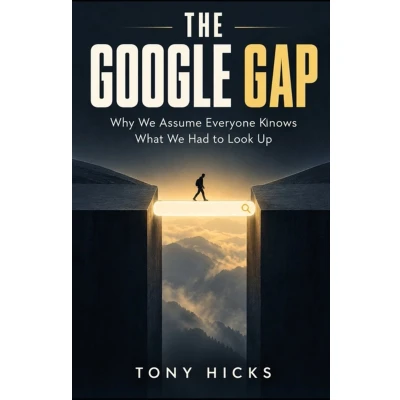
The Google Gap: Why We Assume Everyone Knows What We Had to Look Up explores a common human blind spot: once we learn something, we quickly forget what it felt like not to know it. Information that once required searching, asking questions, making mistakes, or struggling through explanations starts to feel obvious. This "curse of knowledge" can make us impatient with beginners, cause experts to skip important steps, and create the false impression that people who do not know what we know are less intelligent.The book shows how this problem appears everywhere-in classrooms, workplaces, families, relationships, technology, and everyday communication. It examines why people are afraid to ask "basic" questions, how jargon and unwritten rules create invisible barriers, why confidence can be mistaken for competence, and how the internet has changed what it means to know something. Rather than treating ignorance as a personal failure, the book argues that not knowing is simply the starting point of learning, and that intelligence is better demonstrated by curiosity, good questions, careful research, and the ability to update your understanding.Ultimately, The Google Gap is a case for intellectual humility and better communication. It encourages experts to remember their own beginner years, teachers and leaders to make hidden steps visible, and learners to stop being ashamed of saying, "I don't know." The central lesson is simple: before judging someone for not knowing something, remember that you once had to learn it too-and there is always another subject waiting to make you the beginner again.
 Prijshistorie
* Prijshistorie bevat geen data van Amazon.
Prijzen voor het laatst bijgewerkt op:
 Gerelateerde resultaten
 Productspecificaties


