


€ 99,99 Gratis verzending

Gesponsorde links
|
|
99,99 |
Naar shop
|

|
183,05 |
Naar shop
|
| VERGELIJK ALLE AANBIEDERS (2) | ||
 Beschrijving
Vergelijk aanbieders (2)
Gesponsorde links · Sommige shops betalen ons een vergoeding
€ 99,99 Gratis verzending
€ 183,05 Gratis verzending
Winkels met andere maten
Beschrijving
(1)
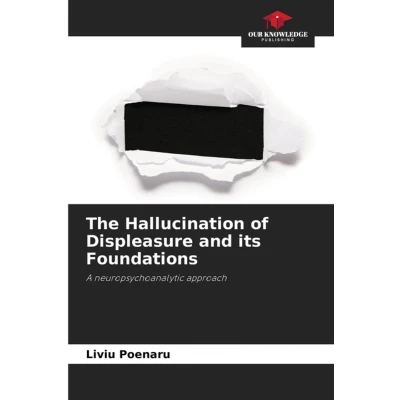
This book sets out a theoretical framework for a series of fundamental aspects of the hallucinatory process, present in every individual, based on the memory-emotion-perception triangle, the components of which are inseparable. Research drawn mainly from the history of psychoanalysis, alongside more recent scientific studies, tends to confirm the existence of an internal process-essentially hallucinatory in nature-which occurs independently of actual perception and is generated by the dictates of memory and its internal activations linked to drives. Having laid these theoretical foundations, the author turns his attention to the specific case of the hallucination of displeasure; this does not appear to be triggered by a mnemonic trace of pleasure, which usually serves as a reference point in the drive's progression towards satisfaction. In the absence of satisfaction, the biopsychic system appears to be hampered by a permanent state of dissatisfaction, leading to the compulsive repetition of the process and a clinging to the object; this dynamic appears to limit the range of mental and behavioural possibilities. The status of the object associated with this, referred to as the 'limit-object', is also examined.
 Prijshistorie
* Prijshistorie bevat geen data van Amazon.
Prijzen voor het laatst bijgewerkt op:
 Gerelateerde resultaten
 Productspecificaties


