


€ 16,00 € 2,99 verzendkosten Totaal € 18,99

Gesponsorde links
|
|
16,00 |
Naar shop
|

|
16,67 |
Naar shop
|

|
16,67 |
Naar shop
|
| VERGELIJK ALLE AANBIEDERS (3) | ||
 Beschrijving
Vergelijk aanbieders (3)
Gesponsorde links · Sommige shops betalen ons een vergoeding
€ 16,00 € 2,99 verzendkosten Totaal € 18,99
€ 16,67 Gratis verzending
€ 16,67 Gratis verzending
Winkels met andere maten
Beschrijving
(1)
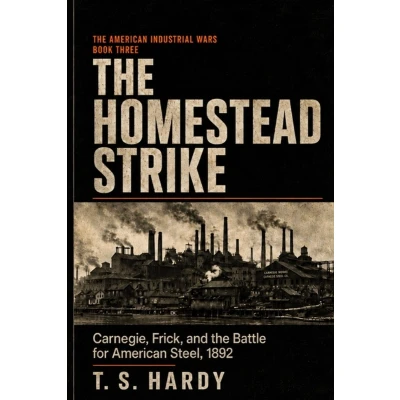
A laborer at the Homestead works earned $1.68 a day. The men Henry Clay Frick sent up the river to take the mill from him were promised $5.A little before midnight on July 5, 1892, two barges fitted out as floating barracks left the Davis Island dam below Pittsburgh under tow. Three hundred men were penned inside, most of them clerks and drifters signed up in Chicago and the East, told nothing of where they were going and little of the work. Seven miles upriver, four thousand locked-out steelworkers were waiting on the bank. The fighting lasted thirteen hours, from four in the morning until five in the afternoon, in the open, watched by the town and reported by the hour. Men who had never served a gun loaded a cannon with bolts and rivets out of the mill yard. They floated a burning raft down onto the barges and it went to ash before it got there. They set a railroad car alight and ran it down an incline into the water. Eight miles away, in a city joined to Homestead by rail, road, river and telegraph, Frick sat at his desk and sent no instruction to the river all day. Seven men of Homestead and three Pinkerton agents were dead when the barges gave up their arms. More died that day than on any other single day in American labor history to that date, and every one of them was killed by private citizens, on private property, in a dispute about wages. This is the whole of it. Andrew Carnegie in Scotland while Frick put a fence reported at three miles around the works. The advisory committee that governed a borough of twelve thousand people for eight days and was praised by the newspapers for how well it did it. The surrender. The eight thousand militiamen who came up the hill on July 12. Alexander Berkman's shots in Frick's office on July 23. The treason indictments. And the forty-four years that passed before a union held an agreement at Homestead again. A company decides a union is an expense it will not carry. Private men with rifles do what the state will not do openly. The state arrives anyway, in uniform, and stands on the owners' side of the fence. Homestead is where that pattern was set, and it held for a generation. Book three of The American Industrial Wars. Every volume stands alone.
 Prijshistorie
* Prijshistorie bevat geen data van Amazon, Amazon Marketplace.
Prijzen voor het laatst bijgewerkt op:
 Gerelateerde resultaten
 Productspecificaties


