


€ 15,00 € 2,99 verzendkosten Totaal € 17,99

Gesponsorde links
|
|
15,00 |
Naar shop
|

|
15,69 |
Naar shop
|

|
15,69 |
Naar shop
|
| VERGELIJK ALLE AANBIEDERS (3) | ||
 Beschrijving
Vergelijk aanbieders (3)
Gesponsorde links · Sommige shops betalen ons een vergoeding
€ 15,00 € 2,99 verzendkosten Totaal € 17,99
€ 15,69 Gratis verzending
€ 15,69 Gratis verzending
Winkels met andere maten
Beschrijving
(1)
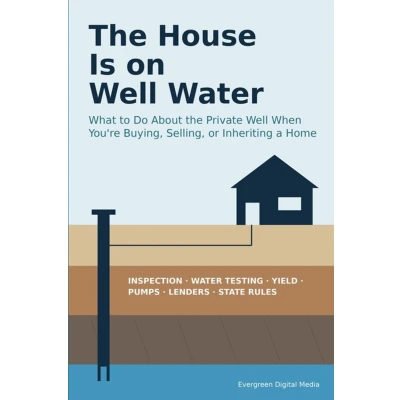
Nobody tests the water but you. A house on a private well has no utility behind it. No agency tests the water, inspects the pump, or mails a report. At a sale, the seller has usually never tested, the home inspector runs the taps and moves on, and the lender orders a narrow panel chosen for the lender's protection, not the buyer's. Well problems surface after closing, when the cost belongs to the new owner. This book is for the buyer under contract, the seller getting ready to list, and the heir who does not know where the well is. In plain language, it covers: - How a residential well system works, and what each part costs to replace - How to pull the well log from your state's database and read it - What a real yield test measures, and why a 30-minute hose test doesn't - Which contaminants to test for, by region, and how to read the lab report - What a well inspection should contain, and who is qualified to do it - Shared wells, off-parcel wells, and the recorded agreement lenders require - Dug wells, well pits, and the abandoned wells you inherit with the deed - What FHA, VA, USDA, and conventional lenders require, and what trips a loan - How to negotiate a finding: fix, credit, holdback, or walk - The states that require testing at sale (New Jersey, Oregon, Rhode Island) and how to find the county rule where you are Cost figures are given as dated ranges from contractor and lab pricing. Six composite case files show how the pieces combine in real transactions. The tools section includes buyer, seller, and heir checklists, a well inspection worksheet, a water-test worksheet, a cost worksheet, questions for the contractor, a glossary, and a 50-state directory of well-record and certified-lab agencies. U.S. only. Companion to The House Is on Septic and There's a Tank in the Yard.
 Prijshistorie
* Prijshistorie bevat geen data van Amazon, Amazon Marketplace.
Prijzen voor het laatst bijgewerkt op:
 Gerelateerde resultaten
 Productspecificaties


