


€ 189,95 Gratis verzending

Uitgelicht
|
|
189,95 |
Naar shop
|

|
222,60 |
Naar shop
|

|
222,60 |
Naar shop
|
| VERGELIJK ALLE AANBIEDERS (3) | ||
 Beschrijving
Vergelijk aanbieders (3)
€ 189,95 Gratis verzending
€ 222,60 Gratis verzending
€ 222,60 Gratis verzending
Winkels met andere maten
Beschrijving
(1)
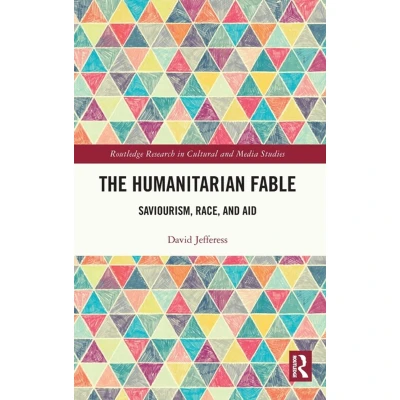
This book examines how popular humanitarian communication constructs global poverty as a moral narrative that reinforces unequal power dynamics between the Global North and Global South. It will interest Cultural Studies, International Development Studies, Education, Human Rights, and Communication Studies. The Humanitarian Fable examines how popular humanitarian communication constructs global poverty as a moral narrative that reinforces unequal power dynamics between the Global North and Global South. Taking a cultural studies approach, the book argues that humanitarian discourse places too much emphasis on the involvement of Global North initiatives, while avoiding meaningful engagement with the structural causes of inequality. By critiquing humanitarianism as the dominant framework for understanding global poverty, the author challenges readers to consider alternative approaches grounded in justice, decolonization, and addressing ongoing exploitation. This interdisciplinary text will interest academic researchers, instructors, and students across disciplines, including Cultural Studies, International Development Studies, Education, Human Rights, and Communication Studies.
 Prijshistorie
 * Prijshistorie bevat geen data van Amazon, Amazon Marketplace.
Prijzen voor het laatst bijgewerkt op:
 Gerelateerde resultaten
 Productspecificaties


