

€ 22,57 Gratis verzending

Gesponsorde links
|
|
22,57 |
Naar shop
|

|
22,57 |
Naar shop
|

|
24,00 |
Naar shop
|
| VERGELIJK ALLE AANBIEDERS (3) | ||
 Beschrijving
Vergelijk aanbieders (3)
Gesponsorde links · Sommige shops betalen ons een vergoeding
€ 22,57 Gratis verzending
€ 22,57 Gratis verzending
€ 24,00 € 2,99 verzendkosten Totaal € 26,99
Winkels met andere maten
Beschrijving
(1)
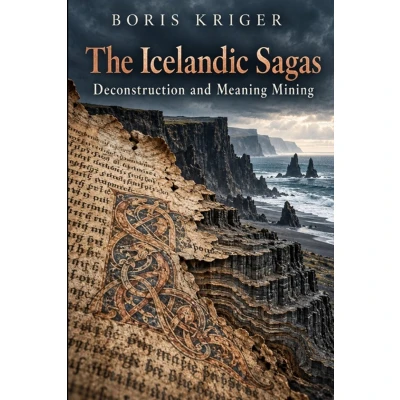
Seven hundred years ago, on an island with no king, no army, and no police, anonymous Icelanders wrote down the stories of their great-grandparents. The result is some forty family sagas: tales of farmers, poets, lawyers, and killers, told in a prose so cold and clean that it seems to have been written by the weather. Nobody in them is allowed to think out loud. Nobody explains. Men die with a joke on their lips, women start feuds with a single look at a cloak, and the narrator reports it all with the calm of a court clerk. This book is for readers who have never opened a saga, and for scholars who have opened them all. It retells the great stories briefly and vividly: Njáll the lawyer burned in his own house, Egill the poet who went to bed to starve himself and got up to write a masterpiece, Grettir the strong man who was afraid of the dark, Guðrún who confessed that she had been worst to the one she loved most and never said who he was. Then it does something new. Boris Kriger brings two methods to the sagas at once. The first is deconstruction, rebuilt from Derrida into a practical tool: find the place where a text quietly swaps two roles, and look at what the swap leaves behind. The second is meaning mining: treating old proverbs and codes as compressed laws, tested for centuries by reality, and extracting them into plain statements with honest limits. Run across the whole saga corpus, the two tools find patterns nobody has described before: where these famously confident texts suddenly hesitate, what they are careful never to decide, and why their proverbs always seem to come true after the fact. The result is more than a new reading of the sagas. It is a working method for any ancient text, from Homer to the Bible. Keywords: Icelandic sagas, deconstruction, proverbs, medieval literature, philosophy of reading, Viking Age, hidden laws
 Prijshistorie
* Prijshistorie bevat geen data van Amazon, Amazon Marketplace.
Prijzen voor het laatst bijgewerkt op:
 Gerelateerde resultaten
 Productspecificaties


