


€ 47,99 Gratis verzending

Uitgelicht
|
|
47,99 |
Naar shop
|

|
70,61 |
Naar shop
|

|
70,61 |
Naar shop
|
| VERGELIJK ALLE AANBIEDERS (3) | ||
 Beschrijving
Vergelijk aanbieders (3)
€ 47,99 Gratis verzending
€ 70,61 € 4,19 verzendkosten Totaal € 74,80
€ 70,61 € 4,19 verzendkosten Totaal € 74,80
Winkels met andere maten
Beschrijving
(1)
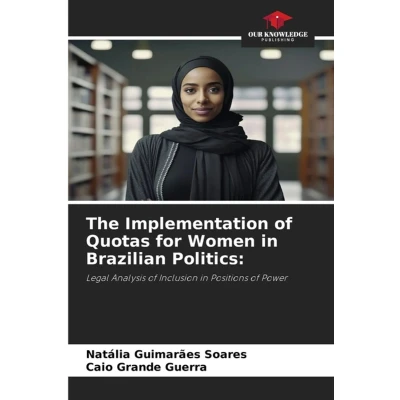
This work stems from a sense of unease regarding a democracy that, while formally inclusive, still does not represent all voices. It arises from the need to challenge structures that have historically perpetuated inequalities and silenced certain voices, especially when it comes to access to positions of power.Although they represent the majority of the population, women remain underrepresented in political decision-making positions. This contradiction highlights that legal equality, on its own, has not been sufficient to overcome inequalities rooted in political and social structures.In this context, quotas for women in politics are not privileges, but rather tools for correcting persistent structural exclusion. This acknowledges the systematic barriers that hinder women's access to political life, demonstrating that the supposed neutrality of the electoral system does not prevent the reproduction of these inequalities.Discussing the application of quotas therefore means discussing the very quality of democracy, requiring an analysis of their implementation, the limits of their effectiveness, and institutional resistance.
 Prijshistorie
 * Prijshistorie bevat geen data van Amazon, Amazon Marketplace.
Prijzen voor het laatst bijgewerkt op:
 Gerelateerde resultaten
 Productspecificaties


