

€ 9,33 Gratis verzending

Gesponsorde links
|
|
9,33 |
Naar shop
|

|
9,33 |
Naar shop
|

|
13,00 |
Naar shop
|
| VERGELIJK ALLE AANBIEDERS (3) | ||
 Beschrijving
Vergelijk aanbieders (3)
Gesponsorde links · Sommige shops betalen ons een vergoeding
€ 9,33 Gratis verzending
€ 9,33 Gratis verzending
€ 13,00 € 2,99 verzendkosten Totaal € 15,99
Winkels met andere maten
Beschrijving
(1)
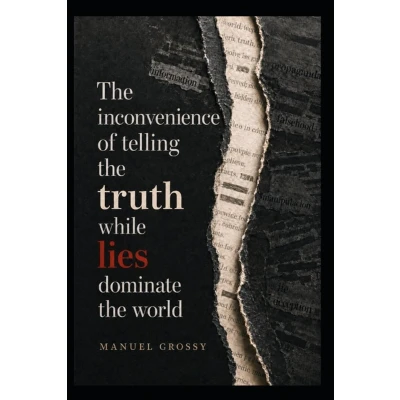
The Real Problem Is Not a Lack of Information Never before have we had such rapid access to so many voices. In a matter of minutes, we can consult news reports, opinions, documents, videos, statistics, and answers generated by artificial intelligence. Yet the increase in information has not automatically produced an equal increase in understanding. It has also accelerated the spread of errors, rumors, and messages designed to activate our emotions. The challenge of our time is not merely to find facts. It is to preserve our autonomy while others compete to define what deserves our attention, what we should fear, and who should receive our loyalty. That competition takes place in political campaigns, advertising, entertainment programs, religious communities, family conversations, and digital platforms. This book begins with a simple conviction: thinking is more than processing information. It is the practice of governing the relationship between what we receive and what we ultimately believe, say, and do. A Book About Judgment, Not Superiority Critical thinking is sometimes presented as a set of tricks for exposing other people's errors. That version produces people who are skilled at attacking others but blind to their own biases. The purpose here is different. We are not trying to win every argument, but to develop judgment that can also be applied against our own preferences. Sound judgment combines analysis and character. It requires evidence, but also the honesty to recognize when the evidence does not favor our position. It requires logic, but also the dignity not to turn disagreement into humiliation. It requires skepticism, but not cynicism; provisional trust, but not intellectual obedience. No one is exempt from the problem. Intelligence, education, and experience can reduce certain errors, but they can also give us better tools for justifying what we want to believe.
 Prijshistorie
* Prijshistorie bevat geen data van Amazon, Amazon Marketplace.
Prijzen voor het laatst bijgewerkt op:
 Gerelateerde resultaten
 Productspecificaties


