

€ 29,34 Gratis verzending

Uitgelicht
|
|
29,34 |
Naar shop
|

|
29,34 |
Naar shop
|

|
31,99 |
Naar shop
|
| VERGELIJK ALLE AANBIEDERS (3) | ||
 Beschrijving
Vergelijk aanbieders (3)
€ 29,34 Gratis verzending
€ 29,34 Gratis verzending
€ 31,99 Gratis verzending
Winkels met andere maten
Beschrijving
(1)
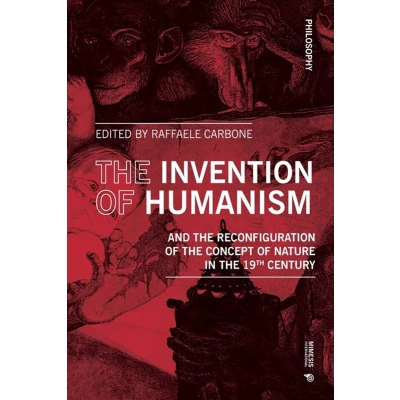
In the second half of the eighteenth century, in an article by Quesnay that appeared in Éphémérides du citoyen, the word "humanism" first entered the European philosophical-cultural lexicon with the meaning of "general love of humanity". However, it was the nineteenth century that marked a decisive turning point for the concept, thanks to the publication of a work by the philosopher and educationalist Friedrich I. Niethammer, Der Streit des Philanthropinismus und Humanismus in der Theorie des Erziehungs-Unterrichts unsrer Zeit (1808). Nevertheless, it seems significant, if not paradoxical, that in the very century in which the term "humanism" gained usage in philosophical, pedagogical, and literary contexts, a radically new conception of nature - and, consequently, of the link between man and nature - emerged. This conception called into question, on new foundations, the teleological vision and stylised image of nature as a set of resources and instruments that human beings could exploit for their own fulfilment and for the improvement of their living conditions. To address these issues, the chapters in this volume reconstruct the history of the concept of humanism in the nineteenth century and discuss various aspects of the relationship between humanism and a new (Darwinian) vision of nature that, on a scientific basis, entails a biological decentralisation of the human being.
 Prijshistorie
 * Prijshistorie bevat geen data van Amazon, Amazon Marketplace.
Prijzen voor het laatst bijgewerkt op:
 Gerelateerde resultaten
 Productspecificaties


