


gebruikt € 50,50 Gratis verzending

Uitgelicht
|
|
50,50 |
Naar shop
|
| VERGELIJK ALLE AANBIEDERS (1) | ||
 Beschrijving
Vergelijk aanbieders (1)
gebruikt € 50,50 Gratis verzending
Winkels met andere maten
Beschrijving
(1)
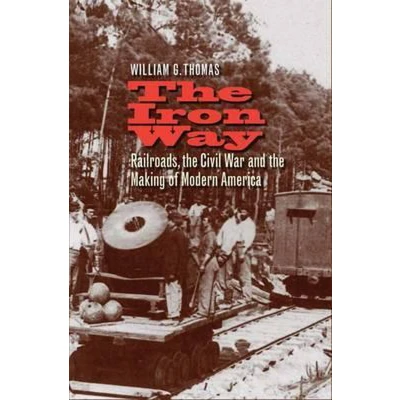
Beginning with Frederick Douglass' escape from slavery in 1838 on the railroad, and ending with the driving of the golden spike to link the transcontinental railroad in 1869, this book charts a critical period of American expansion and national formation, one largely dominated by the dynamic growth of railroads and telegraphs. William Thomas brings new evidence to bear on railroads, the Confederate South, slavery, and the Civil War era, based on groundbreaking research in digitized sources never available before. One of the first works to appear in the field of digital history, The Iron Way revises our ideas about the emergence of modern America and the role of the railroads in shaping the sectional conflict. Both the North and the South invested in railroads to serve their larger purposes, Thomas contends. Though railroads are often cited as a major factor in the Union's victory, he shows that they were also essential to the formation of the 'South' as a unified region. He discusses the many - and sometimes unexpected - effects of railroad expansion and proposes that America's great railroads became an important symbolic touchstone for the nation's vision of itself.
 Productspecificaties
| EAN |
|
|---|---|
| Maat |
|
 Prijshistorie
 Prijzen voor het laatst bijgewerkt op:
 Gerelateerde resultaten


