


€ 13,00 € 2,99 verzendkosten Totaal € 15,99

Uitgelicht
|
|
13,00 |
Naar shop
|

|
14,70 |
Naar shop
|
| VERGELIJK ALLE AANBIEDERS (2) | ||
 Beschrijving
Vergelijk aanbieders (2)
€ 13,00 € 2,99 verzendkosten Totaal € 15,99
€ 14,70 Gratis verzending
Winkels met andere maten
Beschrijving
(1)
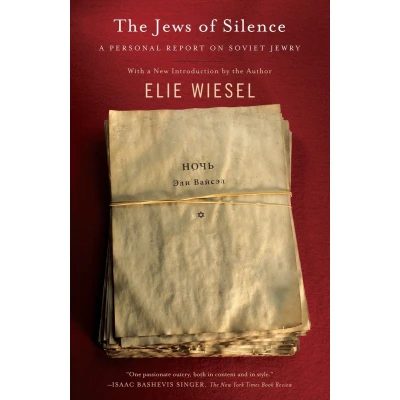
In the fall of 1965 the Israeli newspaper Haaretz sent a young journalist named Elie Wiesel to the Soviet Union to report on the lives of Jews trapped behind the Iron Curtain. I would approach Jews who had never been placed in the Soviet show window by Soviet authorities, wrote Wiesel. They alone, in their anonymity, could describe the conditions under which they live; they alone could tell whether the reports I had heard were true or falseand whether their children and their grandchildren, despite everything, still wish to remain Jews. From them I would learn what we must do to help . . . or if they want our help at all. What he discovered astonished him: Jewish men and women, young and old, in Moscow, Kiev, Leningrad, Vilna, Minsk, and Tbilisi, completely cut off from the outside world, overcoming their fear of the ever-present KGB to ask Wiesel about the lives of Jews in America, in Western Europe, and, most of all, in Israel. They have scant knowledge of Jewish history or current events; they celebrate Jewish holidays at considerable risk and with only the vaguest ideas of what these days commemorate. Most of them come [to synagogue] not to pray, Wiesel writes, but out of a desire to identify with the Jewish peopleabout whom they know next to nothing. Wiesel promises to bring the stories of these people to the outside world. And in the home of one dissident, he is given a gifta Russian-language translation of Night, published illegally by the underground. My God, I thought, this man risked arrest and prison just to make my writing available to people here! I embraced him with tears in my eyes.
 Prijshistorie
 * Prijshistorie bevat geen data van Amazon.
Prijzen voor het laatst bijgewerkt op:
 Gerelateerde resultaten
 Productspecificaties


