

€ 48,90 Gratis verzending

Uitgelicht
|
|
48,90 |
Naar shop
|

|
48,90 |
Naar shop
|

|
48,90 |
Naar shop
|
| VERGELIJK ALLE AANBIEDERS (3) | ||
 Beschrijving
Vergelijk aanbieders (3)
€ 48,90 Gratis verzending
€ 48,90 Gratis verzending
€ 48,90 Gratis verzending
Winkels met andere maten
Beschrijving
(1)
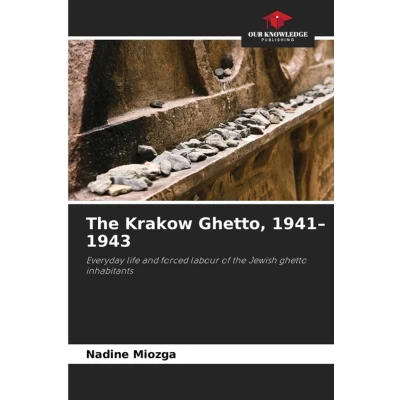
During the Second World War, the ghettos in Eastern Europe played a significant role in the lives of the Jewish population. There were approximately 1,100-1,200 ghettos in total, around 600 of which were established in Poland. As Krakow was designated the capital of the General Government at the time, the Krakow ghetto was one of the most important ghettos during the Second World War. This book focuses on the everyday life and working conditions of the Jewish population in the Krakow ghetto. The ghetto served several purposes: it was a place of isolation for Jews from Poles, a transit station for concentration camps, and a place of extermination itself. As a result, living conditions in the ghettos were characterised by cruel brutality, disease, hunger and death. Nevertheless, the Jews were forced to adapt to their new living conditions and create a daily routine within the ghetto. The most important part of life in the ghetto was work; only those who were able to work could survive - for the time being.
 Prijshistorie
 * Prijshistorie bevat geen data van Amazon, Amazon Marketplace.
Prijzen voor het laatst bijgewerkt op:
 Gerelateerde resultaten
 Productspecificaties


