


€ 39,99 Gratis verzending

Gesponsorde links
|
|
39,99 |
Naar shop
|

|
41,33 |
Naar shop
|

|
41,33 |
Naar shop
|
| VERGELIJK ALLE AANBIEDERS (3) | ||
 Beschrijving
Vergelijk aanbieders (3)
Gesponsorde links · Sommige shops betalen ons een vergoeding
€ 39,99 Gratis verzending
€ 41,33 Gratis verzending
€ 41,33 Gratis verzending
Winkels met andere maten
Beschrijving
(1)
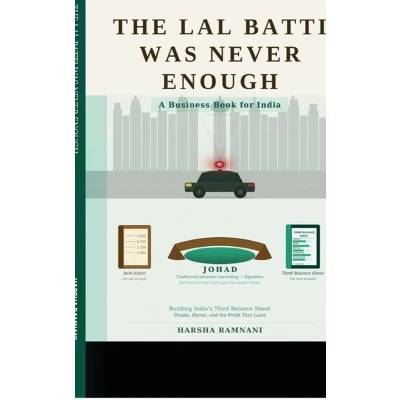
Picture a boardroom in Delhi, Mumbai, or Hyderabad. On one wall hangs a black-and-white photograph of the founder before a factory gate, decades ago, before success made everything complicated. The board spends twelve minutes on the ESG slide, boxes ticked, nobody with anything urgent to say. Somewhere between the bahi-khata that founder once kept and today's quarterly earnings call, something got lost. The discipline remained; the accountability narrowed.The Lal Batti Was Never Enough argues that India does not need to import a sustainability model - it needs to excavate one buried in its own history. Long before ESG existed, Jamsetji Tata insisted the community was the purpose of enterprise, and merchants tracked every rupee earned with a rigour no regulator demanded.Drawing on seventeen years inside India's boardrooms as a Chartered Accountant, Registered Valuer, and ESG practitioner, Harsha Ramnani offers a framework she calls the Third Balance Sheet - a way to account for what a business gives workers, water, and community, with the discipline once reserved for profit alone.Written for the promoter who wants his work to outlast him, the director searching for the right question, and the manager caught between what an organisation says and does - moving from the boardroom to the water crisis to green finance to a vision of Indian business that is not utopian, but earned.The lal batti was a symbol of arrival. This book asks what you do now that you have arrived.
 Prijshistorie
* Prijshistorie bevat geen data van Amazon, Amazon Marketplace.
Prijzen voor het laatst bijgewerkt op:
 Gerelateerde resultaten
 Productspecificaties


