

€ 23,96 Gratis verzending

Uitgelicht
|
|
23,96 |
Naar shop
|

|
23,96 |
Naar shop
|

|
26,99 |
Naar shop
|
| VERGELIJK ALLE AANBIEDERS (3) | ||
 Beschrijving
Vergelijk aanbieders (3)
€ 23,96 Gratis verzending
€ 23,96 Gratis verzending
€ 26,99 Gratis verzending
Winkels met andere maten
Beschrijving
(1)
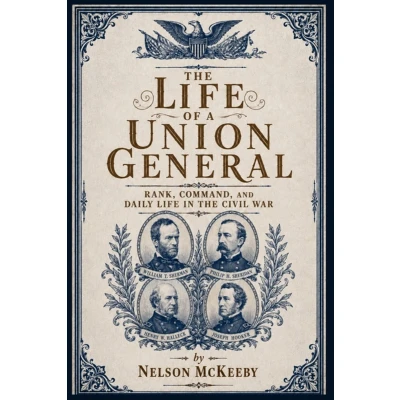
What did it mean to become a Union general during the Civil War? Union Generals of the Civil War introduced the officers who led the armies of the United States. The Life of a Union General continues their story by examining the military system in which they served and the daily realities of senior command. A general's career began long before he received his stars. Regular officers advanced through West Point, frontier service, staff assignments, and war. Volunteer officers entered through state politics, recruiting, professional reputation, and presidential appointment. Once promoted, they had to organize staffs, issue orders, manage supplies, coordinate distant commands, maintain discipline, and answer to the president, the War Department, Congress, governors, newspapers, and the soldiers entrusted to them. This book explains how generals were appointed and confirmed, how armies and departments were organized, how headquarters functioned, and how commanders communicated across a battlefield. It follows the movement of orders from the general's table to the regiments that carried them out. It examines courts-martial, courts of inquiry, political investigations, relief from command, resignation, dismissal, and the long struggle to defend a damaged reputation. >McClellan, Buell, Burnside, Hooker, Rosecrans, Pope, Porter, Warren, McClernand, Grant, Sherman, Sheridan, Thomas, and many others appear as examples of officers working within the same complicated institution. Their successes and failures reveal how military judgment, law, politics, personality, logistics, and public reputation shaped a general's career. The Life of a Union General presents the Union high command as its officers experienced it: a world of authority and uncertainty, privilege and exhaustion, written orders and incomplete information, where a few lines from Washington could create a general, transfer an army, or end a career.
 Prijshistorie
 * Prijshistorie bevat geen data van Amazon, Amazon Marketplace.
Prijzen voor het laatst bijgewerkt op:
 Gerelateerde resultaten
 Productspecificaties


