


€ 21,00 € 2,99 verzendkosten Totaal € 23,99

Uitgelicht
|
|
21,00 |
Naar shop
|

|
22,05 |
Naar shop
|

|
22,05 |
Naar shop
|
| VERGELIJK ALLE AANBIEDERS (3) | ||
 Beschrijving
Vergelijk aanbieders (3)
€ 21,00 € 2,99 verzendkosten Totaal € 23,99
€ 22,05 Gratis verzending
€ 22,05 Gratis verzending
Winkels met andere maten
Beschrijving
(1)
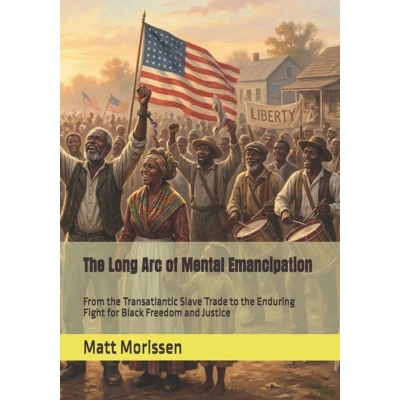
The Long Arc of Mental Emancipation moves beyond a traditional historical account of slavery and civil rights by focusing on the internal landscape of resilience. Morissen posits that while physical chains were removed with abolition, the "mental chains" forged through legal, social, and psychological warfare required a different, more enduring kind of struggle. Key Themes by Section: - The Genesis of Captivity: The book begins with the Transatlantic Slave Trade, framing it not just as an economic enterprise but as a "psychological rupture." It details how the Middle Passage was designed to strip individuals of their personhood, reducing humans to "cargo" or "commodities".- Psychological Bonds of Slavery: Morissen analyzes the "Slave Codes" and social customs as calculated instruments of control. By prohibiting literacy and autonomous assembly, enslavers targeted the capacity for thought and imagination, seeking to manufacture a reality of inherent inferiority.- Spirituality as a Tool for Liberation: A central pillar of the book is the "spiritual alchemy" performed by enslaved Africans. They took the Christianity imposed by their captors and reinterpreted it through the lens of the Exodus-a narrative of divine justice and eventual deliverance. "Hush harbors" (secret prayer meetings) provided a psychological shield and a space to reclaim humanity.- Cultural Memory and Resistance: The author emphasizes that resistance was often subtle: preserving naming traditions, oral histories, and linguistic synthesis (Creolization). These acts served as "mental sovereignty," ensuring that the mind remained "unshacklable" even when the body was bound.- The Modern Continuum: The book concludes that emancipation is an ongoing process. It links the trauma of the past to contemporary struggles like the Civil Rights Movement and Black Lives Matter, calling for "collective consciousness" and "healing trauma" as essential steps toward true freedom
 Prijshistorie
 * Prijshistorie bevat geen data van Amazon, Amazon Marketplace.
Prijzen voor het laatst bijgewerkt op:
 Gerelateerde resultaten
 Productspecificaties


