


€ 18,00 € 2,99 verzendkosten Totaal € 20,99

Gesponsorde links
|
|
18,00 |
Naar shop
|

|
19,25 |
Naar shop
|

|
19,25 |
Naar shop
|
| VERGELIJK ALLE AANBIEDERS (3) | ||
 Beschrijving
Vergelijk aanbieders (3)
Gesponsorde links · Sommige shops betalen ons een vergoeding
€ 18,00 € 2,99 verzendkosten Totaal € 20,99
€ 19,25 Gratis verzending
€ 19,25 Gratis verzending
Winkels met andere maten
Beschrijving
(1)
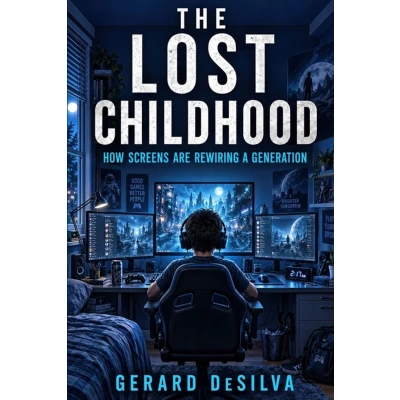
Childhood has changed-and the change happened quietly. Children now spend more of their formative years inside digital environments designed to capture attention, extend engagement, and make stopping difficult. What happens when screens begin to displace sleep, movement, boredom, face-to-face friendship, independent play, reading, family conversation, and the small risks through which children grow? In The Lost Childhood, Gerard DeSilva examines how smartphones, social media, streaming platforms, and video games are reshaping childhood. Drawing on developmental research, public-health guidance, systematic reviews, and recognizable family experiences, he separates reasonable concern from technological panic and shows why context matters: a child's age, the content, the timing, the design, and what screen use replaces. This is not an argument for eliminating technology or blaming parents. It is a clear, compassionate guide to understanding the attention economy, the developing brain, sleep and physical health, classroom distraction, online identity, gaming, social connection, and the unequal pressures families face. Most importantly, it offers a practical way forward-helping families, schools, and communities build healthier digital boundaries while restoring the real-world experiences children still need. The question is not whether technology belongs in childhood. It is whether technology serves childhood-or childhood is made to serve it.
 Prijshistorie
* Prijshistorie bevat geen data van Amazon, Amazon Marketplace.
Prijzen voor het laatst bijgewerkt op:
 Gerelateerde resultaten
 Productspecificaties


