

€ 14,97 Gratis verzending

Gesponsorde links
|
|
14,97 |
Naar shop
|

|
14,97 |
Naar shop
|

|
16,00 |
Naar shop
|
| VERGELIJK ALLE AANBIEDERS (3) | ||
 Beschrijving
Vergelijk aanbieders (3)
Gesponsorde links · Sommige shops betalen ons een vergoeding
€ 14,97 Gratis verzending
€ 14,97 Gratis verzending
€ 16,00 € 2,99 verzendkosten Totaal € 18,99
Winkels met andere maten
Beschrijving
(1)
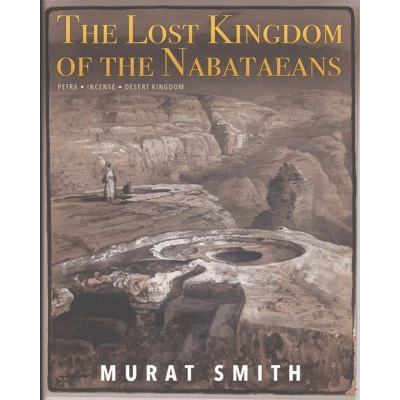
Before Petra became an archaeological wonder, it was the capital of an Arabian kingdom whose merchants, caravan leaders, craftspeople and engineers linked southern Arabia with the Mediterranean. The Nabataeans prospered by understanding difficult landscapes, protecting trade and creating systems that stored precious water. Their power reached from the Hawran to the Hijaz, yet much of their history survives only in inscriptions, excavated settlements, coins and accounts written by neighbours. The Lost Kingdom of the Nabataeans reconstructs this world from its earliest appearance through the reigns of Aretas III, Obodas I, Aretas IV and Rabbel II. It explores Petra, Hegra, Bosra and Avdat; incense and aromatics; caravan organisation; households and women; Dushara, al-'Uzza and sacred high places; rock-cut tombs; Nabataean script; relations with Judaea and Rome; and the annexation of 106 CE. - Richly illustrated with rights-verified historical material, the book explains what archaeology can establish, what remains disputed and why Nabataean culture did not disappear when the kingdom ended.
 Prijshistorie
* Prijshistorie bevat geen data van Amazon, Amazon Marketplace.
Prijzen voor het laatst bijgewerkt op:
 Gerelateerde resultaten
 Productspecificaties


