
the Making of China: From Age Legends to Western Zhou Dynasty/¿¿¿¿¿¿¿¿¿¿¿¿¿
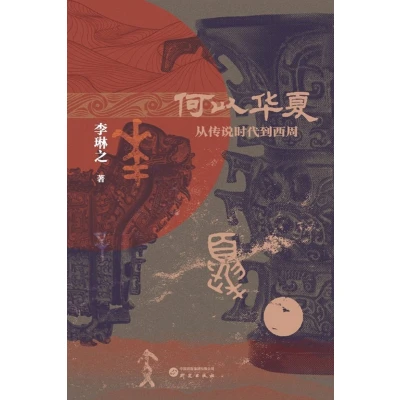
Uitgelicht

|
24,93 |
Naar shop
|

|
42,60 |
Naar shop
|

|
42,60 |
Naar shop
|
| VERGELIJK ALLE AANBIEDERS (3) | ||
 Beschrijving
Bol
A 6,000-Year History of the Integration and Evolution of Ancient Chinese Civilization¿¿6000¿¿¿¿¿¿¿¿¿¿¿¿¿Why did the "Rong, Di, Man, Yi"-peoples regarded by orthodox Chinese civilization as culturally backward-all claim descent from the Three Sovereigns and Five Emperors? And why, for thousands of years, did these "barbarian" groups continuously vie for control of the Central Plains?Through a systematic archaeological review, this book discovers that the Central Plains region became what the ancients regarded as "the center of the world" (Tianxia zhi Zhong) not only because of its superior geography and environment, but also due to a crucial factor: during the Peiligang and Yangshao cultures (c. 9000-5300 BP), the early inhabitants of the Central Plains continuously expanded outward and migrated. This movement, along with the resulting upper-class exchanges among different cultural groups, fostered a shared belief in ancestral worship and reverence for Heaven. As a result, peripheral groups repeatedly sought to conquer the Central Plains while also expanding outward-a pattern that continued for millennia.After six thousand years of friction, conflict, and integration among the Central Plains peoples, a turning point came during the Western Zhou dynasty. Through the implementation of the "feudal" system (fengjian) by the Duke of Zhou, the society transitioned from a chaotic, spontaneous stage to an active, self-aware one. Ethnic consciousness was awakened, and concepts such as "Huaxia," "Zhuxia," and "Zhongguo" were established, marking the formal formation of the Chinese nation. The essence of this transformation lay in transcending the political perspective of previous dynasties, which had been limited to tribal boundaries, and instead forging a cultural community imbued with the concept of "Tianxia" (all under Heaven). Thus, China was no longer a battlefield where different cultural systems competed against one another, but rather an arena within Huaxia itself-where the pursuit of continuity and strength became the driving force of history.¿¿¿¿¿¿¿¿¿¿¿¿¿¿¿"¿¿¿¿"¿¿¿¿"¿¿¿¿"¿¿¿¿¿¿¿¿¿¿¿¿¿"¿¿¿¿"¿¿¿¿¿¿¿¿¿¿¿¿¿¿¿¿¿¿¿¿¿¿¿¿¿¿¿¿¿¿¿¿¿¿¿¿¿¿"¿¿¿¿"¿¿¿¿¿¿¿¿¿¿¿¿¿¿¿¿¿¿¿¿¿¿¿¿¿¿¿9000¿5300¿¿¿¿¿¿¿¿¿¿¿¿¿¿¿¿¿¿¿¿¿¿¿¿¿¿¿¿¿¿¿¿¿¿¿¿¿¿¿¿¿¿¿¿¿¿¿¿¿¿¿¿¿¿¿¿¿¿¿¿¿¿¿¿¿¿¿¿¿¿¿¿¿¿¿¿¿¿¿¿¿¿¿¿¿¿¿¿¿¿¿¿¿¿¿¿¿¿6000¿¿¿¿¿¿¿¿¿¿¿¿¿¿¿¿¿¿¿¿¿¿¿"¿¿"¿¿¿¿¿¿¿¿¿¿¿¿¿¿¿¿¿¿¿¿¿¿¿¿¿¿¿¿¿¿"¿¿""¿¿""¿¿"¿¿¿¿¿¿¿¿¿¿¿¿¿¿¿¿¿¿¿¿¿¿¿¿¿¿¿¿¿¿¿¿¿¿¿¿¿¿¿¿¿¿¿¿¿¿¿¿¿"¿¿"¿¿¿¿¿¿¿¿¿¿¿¿¿¿¿¿¿¿¿¿¿¿¿¿¿¿¿¿¿¿¿¿¿¿¿¿¿¿¿¿¿¿¿¿¿¿¿¿¿¿¿¿


 Beschrijving
(1)
Beschrijving
(1)
A 6,000-Year History of the Integration and Evolution of Ancient Chinese Civilization¿¿6000¿¿¿¿¿¿¿¿¿¿¿¿¿Why did the "Rong, Di, Man, Yi"-peoples regarded by orthodox Chinese civilization as culturally backward-all claim descent from the Three Sovereigns and Five Emperors? And why, for thousands of years, did these "barbarian" groups continuously vie for control of the Central Plains?Through a systematic archaeological review, this book discovers that the Central Plains region became what the ancients regarded as "the center of the world" (Tianxia zhi Zhong) not only because of its superior geography and environment, but also due to a crucial factor: during the Peiligang and Yangshao cultures (c. 9000-5300 BP), the early inhabitants of the Central Plains continuously expanded outward and migrated. This movement, along with the resulting upper-class exchanges among different cultural groups, fostered a shared belief in ancestral worship and reverence for Heaven. As a result, peripheral groups repeatedly sought to conquer the Central Plains while also expanding outward-a pattern that continued for millennia.After six thousand years of friction, conflict, and integration among the Central Plains peoples, a turning point came during the Western Zhou dynasty. Through the implementation of the "feudal" system (fengjian) by the Duke of Zhou, the society transitioned from a chaotic, spontaneous stage to an active, self-aware one. Ethnic consciousness was awakened, and concepts such as "Huaxia," "Zhuxia," and "Zhongguo" were established, marking the formal formation of the Chinese nation. The essence of this transformation lay in transcending the political perspective of previous dynasties, which had been limited to tribal boundaries, and instead forging a cultural community imbued with the concept of "Tianxia" (all under Heaven). Thus, China was no longer a battlefield where different cultural systems competed against one another, but rather an arena within Huaxia itself-where the pursuit of continuity and strength became the driving force of history.¿¿¿¿¿¿¿¿¿¿¿¿¿¿¿"¿¿¿¿"¿¿¿¿"¿¿¿¿"¿¿¿¿¿¿¿¿¿¿¿¿¿"¿¿¿¿"¿¿¿¿¿¿¿¿¿¿¿¿¿¿¿¿¿¿¿¿¿¿¿¿¿¿¿¿¿¿¿¿¿¿¿¿¿¿"¿¿¿¿"¿¿¿¿¿¿¿¿¿¿¿¿¿¿¿¿¿¿¿¿¿¿¿¿¿¿¿9000¿5300¿¿¿¿¿¿¿¿¿¿¿¿¿¿¿¿¿¿¿¿¿¿¿¿¿¿¿¿¿¿¿¿¿¿¿¿¿¿¿¿¿¿¿¿¿¿¿¿¿¿¿¿¿¿¿¿¿¿¿¿¿¿¿¿¿¿¿¿¿¿¿¿¿¿¿¿¿¿¿¿¿¿¿¿¿¿¿¿¿¿¿¿¿¿¿¿¿¿6000¿¿¿¿¿¿¿¿¿¿¿¿¿¿¿¿¿¿¿¿¿¿¿"¿¿"¿¿¿¿¿¿¿¿¿¿¿¿¿¿¿¿¿¿¿¿¿¿¿¿¿¿¿¿¿¿"¿¿""¿¿""¿¿"¿¿¿¿¿¿¿¿¿¿¿¿¿¿¿¿¿¿¿¿¿¿¿¿¿¿¿¿¿¿¿¿¿¿¿¿¿¿¿¿¿¿¿¿¿¿¿¿¿"¿¿"¿¿¿¿¿¿¿¿¿¿¿¿¿¿¿¿¿¿¿¿¿¿¿¿¿¿¿¿¿¿¿¿¿¿¿¿¿¿¿¿¿¿¿¿¿¿¿¿¿¿¿¿
 Productspecificaties
| EAN |
|
|---|---|
| Maat |
|
 Prijshistorie
* Prijshistorie bevat geen data van Amazon, Amazon Marketplace.
Prijzen voor het laatst bijgewerkt op:
 Gerelateerde resultaten


