

€ 12,59 Gratis verzending

Gesponsorde links
|
|
12,59 |
Naar shop
|

|
12,59 |
Naar shop
|

|
13,50 |
Naar shop
|
| VERGELIJK ALLE AANBIEDERS (3) | ||
 Beschrijving
Vergelijk aanbieders (3)
Gesponsorde links · Sommige shops betalen ons een vergoeding
€ 12,59 Gratis verzending
€ 12,59 Gratis verzending
€ 13,50 € 2,99 verzendkosten Totaal € 16,49
Winkels met andere maten
Beschrijving
(1)
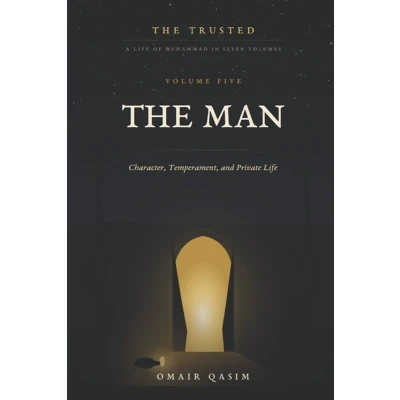
He liked sweet things. He would not eat lizard, and would not forbid it to anyone else. Personality is the thing that hagiography most reliably invents. A tradition that reveres its founder will produce descriptions of his patience, his generosity and his humility - and those descriptions tell you what the tradition admired, not what the man was like. So this volume is built on different material. Within about a century and a half of his death, Muslims began compiling a peculiar body of literature: collections devoted to what he looked like, what he wore, what he ate, how he sat, how he slept, and how he laughed. The genre is called shamail, and a great many of its reports are about nothing at all. He mended his own sandals. He went red when he was praised to his face. He made up a rhyme for a small boy whose pet bird had died. He was out-argued by his wife and gave way. When his infant son died and there was a solar eclipse the same day, the people said the sun had darkened for the child - and he went out and told them that the sun and the moon do not eclipse for anyone's death. None of that establishes a doctrine, settles a legal question, or supports a claim to authority. Which is exactly why it is evidence. Invented tradition is economical. It manufactures what it needs and stops. What the volume covers - The physical descriptions - the fullest verbal portraiture preserved of any figure from late antiquity, and why it still does not compose into a face - Anger, humour and grief - the three chapters where a reader stops seeing a symbol - The marriages, with each woman treated as a person with a history rather than an item in a list - Domestic life, children, animals, the poor and the enslaved, and the treatment of enemies - How far the sources can reach inward - and the point at which the chapter stops, because going further would mean making it up The three hard questions The longest chapter takes the age of Aisha at her marriage, the marriage to Zaynab bint Jahsh and Quran 33:37, and the status of Maria and the institution of concubinage. Each is stated as a hostile critic would put it, at full strength. Then the sources, the traditional case, the modern academic work on both sides, and a judgement - including, where the evidence does not permit certainty, a refusal to manufacture some. The fifth of seven volumes on the life of Muhammad, written for readers who are not Muslim. "That is not a list of virtues. It is a person."
 Prijshistorie
* Prijshistorie bevat geen data van Amazon, Amazon Marketplace.
Prijzen voor het laatst bijgewerkt op:
 Gerelateerde resultaten
 Productspecificaties


