


€ 20,99 € 2,99 verzendkosten Totaal € 23,98

Uitgelicht
|
|
20,99 |
Naar shop
|

|
21,39 |
Naar shop
|

|
21,39 |
Naar shop
|
| VERGELIJK ALLE AANBIEDERS (3) | ||
 Beschrijving
Vergelijk aanbieders (3)
€ 20,99 € 2,99 verzendkosten Totaal € 23,98
€ 21,39 Gratis verzending
€ 21,39 Gratis verzending
Winkels met andere maten
Beschrijving
(1)
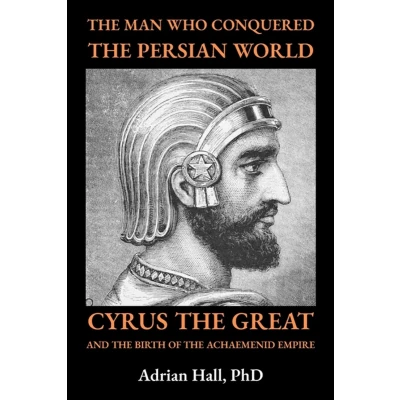
In the autumn of 539 BC, the wealthiest city in the world opened its gates to a foreign king without a single day of siege. Babylon's own priests had already decided that Cyrus, a Persian vassal prince who had already toppled the Median monarchy and captured the legendarily rich King Croesus of Lydia, was a safer bet than the king already on their throne.The Man Who Conquered the Persian World traces how a subordinate king from the Persian highlands built, in barely two decades, the largest empire the ancient world had yet seen - and why he chose, again and again, a strategy of restraint, religious tolerance, and negotiated submission over the doctrine of exemplary terror so many conquerors before and after him relied upon. It follows Cyrus from a contested, legend-shrouded birth through his revolt against his own grandfather, the fall of wealthy Lydia and its captured king Croesus, and the conquest of Babylon and the return of the Jewish exiles to Jerusalem, before ending on the distant steppe frontier where his own model of conquest finally met its limits.Drawing on Herodotus, Xenophon, the Cyrus Cylinder, and the Behistun Inscription, Adrian Hall traces how a single ancient king's calculated choice of consent over fear built an empire that outlasted his own dynasty - and why a Macedonian conqueror two centuries later chose to honor, rather than erase, the modest tomb where Cyrus was laid to rest.
 Prijshistorie
 * Prijshistorie bevat geen data van Amazon, Amazon Marketplace.
Prijzen voor het laatst bijgewerkt op:
 Gerelateerde resultaten
 Productspecificaties


