


€ 10,50 € 2,99 verzendkosten Totaal € 13,49

Uitgelicht
|
|
10,50 |
Naar shop
|

|
20,12 |
Naar shop
|
| VERGELIJK ALLE AANBIEDERS (2) | ||
 Beschrijving
Vergelijk aanbieders (2)
€ 10,50 € 2,99 verzendkosten Totaal € 13,49
€ 20,12 € 6,13 verzendkosten Totaal € 26,25
Winkels met andere maten
Beschrijving
(1)
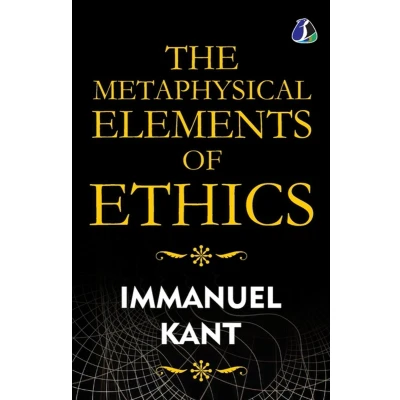
The Metaphysical Elements of Ethics is Immanuel Kant's foundational treatise on moral philosophy. It establishes ethics on pure reason rather than empirical desires, arguing that moral duties are unconditional commands (Categorical Imperatives). Kant introduces a strictly deontological framework, where the moral worth of an action is determined by intention and duty, not by its consequences.The text is divided into sections addressing the doctrine of right and the doctrine of virtue, considering both external conduct and inward moral disposition. Kant's method is analytical and precise, seeking to establish ethics as a discipline governed by necessity and coherence rather than circumstance. First published in the late eighteenth century, the work remains central to the study of philosophy and continues to inform discussions of moral responsibility, autonomy, and the nature of ethical judgement.
 Prijshistorie
 * Prijshistorie bevat geen data van Amazon.
Prijzen voor het laatst bijgewerkt op:
 Gerelateerde resultaten
 Productspecificaties


