

€ 16,98 Gratis verzending

Gesponsorde links
|
|
16,98 |
Naar shop
|

|
16,98 |
Naar shop
|

|
16,98 |
Naar shop
|
| VERGELIJK ALLE AANBIEDERS (3) | ||
 Beschrijving
Vergelijk aanbieders (3)
Gesponsorde links · Sommige shops betalen ons een vergoeding
€ 16,98 Gratis verzending
€ 16,98 Gratis verzending
€ 16,98 € 2,99 verzendkosten Totaal € 19,97
Winkels met andere maten
Beschrijving
(1)
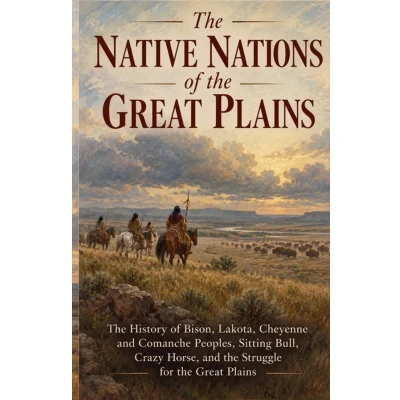
Across the immense grasslands of North America, Native nations built powerful societies shaped by bison, horses, trade, kinship, diplomacy, and deep connections to the land. For generations, the Lakota, Cheyenne, Arapaho, Comanche, and other peoples of the Great Plains adapted to changing environments while defending their communities and ways of life. The arrival of the horse transformed travel, hunting, warfare, and trade across the Plains. Bison provided food, clothing, shelter, tools, and materials essential to everyday life. At the same time, extensive networks connected Native communities across vast distances long before American settlers began moving west in large numbers. During the nineteenth century, westward expansion brought growing pressure on Native lands. Trails, military forts, treaties, migration, and federal policies altered the balance of power across the Great Plains. Agreements were repeatedly challenged or broken as the United States sought greater control over territory claimed and inhabited by Native nations. Sitting Bull and Crazy Horse became two of the most remembered leaders of Native resistance. Their lives were closely connected to the struggle to protect Lakota independence and the lands of the northern Plains. The Battle of the Little Bighorn became one of the most famous confrontations of the era, but it formed only one part of a much larger history of resistance, military campaigns, treaty conflict, and survival. In this book you will find: The geography, climate, rivers, and grasslands that shaped life on the Great Plains The central importance of bison hunting to Plains economies and communities The history of the Lakota and their rise as a major power of the northern Plains The cultures and histories of the Cheyenne, Arapaho, Comanche, and other Plains peoples How horses transformed hunting, travel, trade, and warfare Family life, leadership, community organization, trade, and relations between Native nations The effects of westward expansion, military forts, migration routes, and settlement Major treaties, land disputes, and the growing conflict between Native nations and the United States The lives and resistance of Sitting Bull and Crazy Horse The events leading to the Battle of the Little Bighorn and the defeat of Custer's forces Reservation policy, the destruction of the bison economy, and increasing federal control The Ghost Dance movement and the tragedy at Wounded Knee >From flourishing Native societies to the conflicts of the nineteenth century and the struggle to survive reservation policies, The Native Nations of the Great Plains presents a broad history of the peoples who shaped one of North America's most important regions.
 Prijshistorie
* Prijshistorie bevat geen data van Amazon, Amazon Marketplace.
Prijzen voor het laatst bijgewerkt op:
 Gerelateerde resultaten
 Productspecificaties


