


€ 17,00 € 2,99 verzendkosten Totaal € 19,99

Uitgelicht
|
|
17,00 |
Naar shop
|

|
18,54 |
Naar shop
|

|
18,54 |
Naar shop
|
| VERGELIJK ALLE AANBIEDERS (3) | ||
 Beschrijving
Vergelijk aanbieders (3)
€ 17,00 € 2,99 verzendkosten Totaal € 19,99
€ 18,54 Gratis verzending
€ 18,54 Gratis verzending
Winkels met andere maten
Beschrijving
(1)
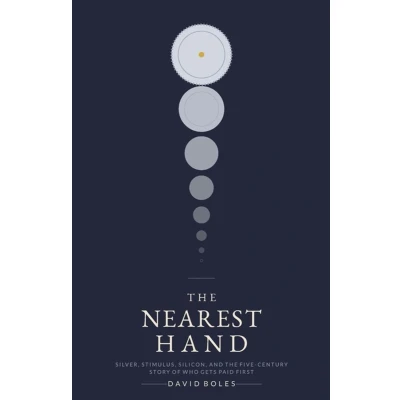
Who gets paid first?In 1545, the richest vein of silver ever found split open a mountain in the Andes. The flood of new money made Spain an empire, enriched the merchants and the crown who stood beside the flow, and left the laborers, the savers, and the distant subjects to meet rising prices with wages that lagged behind. Five centuries later, central banks conjure trillions with a keystroke, and the same pattern holds: new money enters the world at a point, rewards whoever stands nearest, and arrives at the far end of the line late, thinned, and worth less than it was at the source.An Irish banker in Paris named Richard Cantillon described the mechanism three hundred years ago, practiced it with cold brilliance, grew rich on the ruin of others, and died in a fire so suspicious that some believed he staged his own death. The effect that bears his name has remained a specialist's concept ever since, discussed inside monetary theory while the public arguments about fairness went on without it.The Nearest Hand brings the secret into the open, and it does so without a villain: the pattern requires no conspiracy, and it has been worked by kings and republics, by the right and by the left alike. From Potosí to John Law's paper mania, from the railway boom that built the modern world to the telecom crash, from quantitative easing and the pandemic economy to the trillions now flooding into artificial intelligence, David Boles follows a single question across five hundred years: where does new purchasing power first become spendable, and who is standing there? The book turns its argument over to its sharpest critics, concedes what honesty requires, and carries what survives into the present, where the collapse of public trust and the rise of movements that feed on it raise the stakes of an old injustice.The story ends where it has always pointed: at the person at the far end of the line, who did the work, kept the rules, and received last, and at the question of what a decent society owes them.From the author of The Brittle Self.
 Prijshistorie
 * Prijshistorie bevat geen data van Amazon, Amazon Marketplace.
Prijzen voor het laatst bijgewerkt op:
 Gerelateerde resultaten
 Productspecificaties


