


€ 27,99 Gratis verzending

Gesponsorde links
|
|
27,99 |
Naar shop
|

|
29,95 |
Naar shop
|

|
29,95 |
Naar shop
|
| VERGELIJK ALLE AANBIEDERS (3) | ||
 Beschrijving
Vergelijk aanbieders (3)
Gesponsorde links · Sommige shops betalen ons een vergoeding
€ 27,99 Gratis verzending
€ 29,95 Gratis verzending
€ 29,95 Gratis verzending
Winkels met andere maten
Beschrijving
(1)
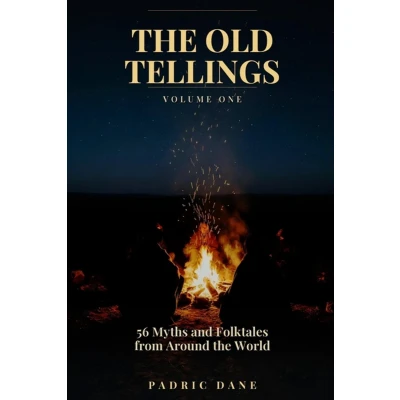
Fifty-six myths and folktales from thirteen regions of the world, told as the tellers tell them. A spider in the rafters of a Ghanaian compound buys the right to put his name on every story ever told. An eight-headed serpent comes down on Izumo in the rain and finds eight gates and eight vats of sake waiting. A bird on a Persian mountain refuses to leave an abandoned child on the stone. On a Visayan shore a whole village goes out with iron pots to get the moon back. This is world mythology without the sanding. The trickster stays greedy. The guardian of the Cedar Forest is killed and the gods are angered. A goddess is stopped by beer dyed to look like blood. Where a story has two traditions, you are given two, in the order the evidence has them. Inside: - West Africa: Anansi, Sunjata, Ogun, Oshun, Mawu, Gizo - Egypt and Nubia: Anubis, Sekhmet, Thoth, Osiris, Isis, Horus, Set, Apep, Apedemak - Southern and East Africa: Unkulunkulu, Kintu, Makeda, Menyelek, Ibonia, Hlakanyana - China: Pangu, Nuwa, Sun Wukong, Bai Niangzi, Guanyin, Yu the Great - Japan and Korea: Yamata no Orochi, Momotaro, Izanami, Inari, Tengu, Kappa, Dangun - South and Southeast Asia: Garuda, Hanuman, Kali, Ravana, Tikbalang, Pontianak, Bakunawa - Persia and Mesopotamia: Simurgh, Rostam, Humbaba - Eastern Europe: Baba Yaga, Leshy, Zmey Gorynych, Rusalka, Kalevipoeg, Vainamoinen - The Americas: Quetzalcoatl, Tezcatlipoca, Huitzilopochtli, Viracocha, Zipacna - Carthage: Tanit Four of the Egyptian tales form one story told in four sittings, spread across the book in the order it happened. Every telling closes with a note on where it comes from: which text, which collector, which century, what was compressed, and what was deliberately refused. No Greece and no Scandinavia. Those halls are full. This book went looking in the rooms that get fewer visitors.
 Prijshistorie
* Prijshistorie bevat geen data van Amazon, Amazon Marketplace.
Prijzen voor het laatst bijgewerkt op:
 Gerelateerde resultaten
 Productspecificaties


