

€ 8,00 Gratis verzending

Uitgelicht
|
|
8,00 |
Naar shop
|

|
8,00 |
Naar shop
|

|
10,00 |
Naar shop
|
| VERGELIJK ALLE AANBIEDERS (3) | ||
 Beschrijving
Vergelijk aanbieders (3)
€ 8,00 Gratis verzending
€ 8,00 Gratis verzending
€ 10,00 € 2,99 verzendkosten Totaal € 12,99
Winkels met andere maten
Beschrijving
(1)
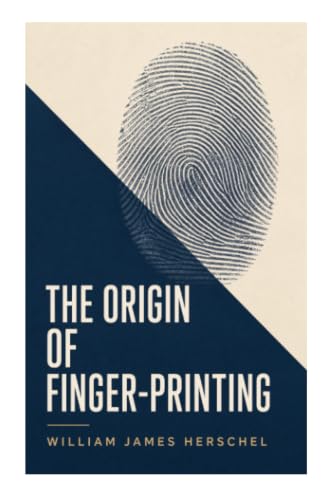
The Origin of Finger-Printing is both a memoir of discovery and a documentary intervention in the history of forensic science. William James Herschel recounts how, while serving in colonial Bengal, he began using handprints and later fingerprints to authenticate contracts, prevent impersonation, and identify pensioners and prisoners. Written in a plain, evidentiary style, the book gathers letters, official memoranda, and recollections to establish a chronology of practice. Its literary context lies at the intersection of Victorian administrative prose, scientific self-vindication, and the emerging modern fascination with bodily signs as instruments of certainty. Herschel was a British civil servant in the Indian Civil Service, and his long experience with revenue, legal, and prison administration shaped the book's central concerns. Confronted with problems of fraud, illiteracy, and bureaucratic verification, he treated the fingerprint not as an abstract curiosity but as a practical tool. His account also reflects a desire to clarify his role in a field later systematized by Francis Galton and Edward Henry. This book is recommended to readers interested in criminology, colonial administration, legal history, and the genealogy of biometric identification. It offers a revealing primary account of how a now-familiar technology emerged from specific institutional pressures and personal observation.
 Prijshistorie
 * Prijshistorie bevat geen data van Amazon, Amazon Marketplace.
Prijzen voor het laatst bijgewerkt op:
 Gerelateerde resultaten
 Productspecificaties


