


€ 38,99 Gratis verzending

Uitgelicht
|
|
38,99 |
Naar shop
|

|
119,99 |
Naar shop
|
| VERGELIJK ALLE AANBIEDERS (2) | ||
 Beschrijving
Vergelijk aanbieders (2)
€ 38,99 Gratis verzending
€ 119,99 Gratis verzending
Winkels met andere maten
Beschrijving
(1)
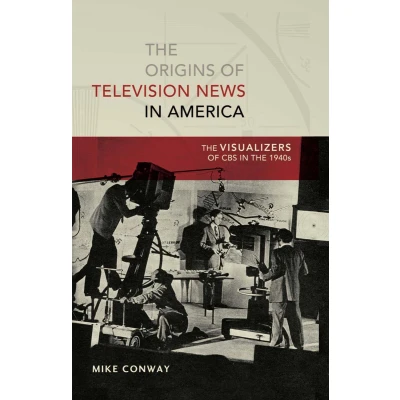
Documents that process, challenging common myths - including the importance of a popular anchor, and television's inability to communicate non-visual stories - and crediting those whose work was critical in the formation of television as a news format. This is the first in-depth look at the development of the television newscast, the most popular source of news for over forty-five years. During the 1940s, most journalists ignored or dismissed television, leaving the challenge to a small group of people working above New York City’s Grand Central Terminal. Without the pressures of ratings, sponsors, company oversight, or many viewers, the group refused to recreate newspapers, radio, or newsreels on the new medium. They experimented, argued, tested, and eventually settled on a format to exploit television’s strengths. This book documents that process, challenging common myths – including the importance of a popular anchor, and television’s inability to communicate non-visual stories – and crediting those whose work was critical in the formation of television as a news format, and illustrating the pressures and professional roadblocks facing those who dare question journalistic traditions of any era.
 Productspecificaties
| EAN |
|
|---|---|
| Maat |
|
 Prijshistorie
Prijzen voor het laatst bijgewerkt op:
 Gerelateerde resultaten


