


€ 35,99 Gratis verzending

Uitgelicht
|
|
35,99 |
Naar shop
|
| VERGELIJK ALLE AANBIEDERS (1) | ||
 Beschrijving
Vergelijk aanbieders (1)
€ 35,99 Gratis verzending
Winkels met andere maten
Beschrijving
(1)
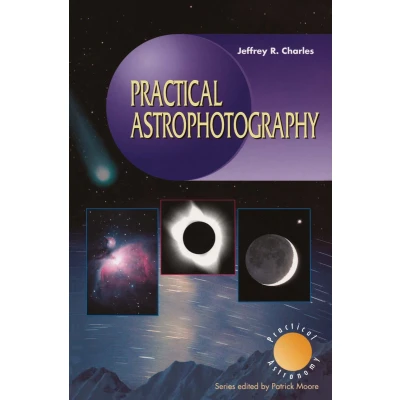
Almost all amateur astronomers want to take photographs of the night sky. For all but the simplest star-trail pictures, this involves machinery - a telescope drive - to track the stars, essential to compensate for the rotation of the earth. The task becomes even more complicated when photographing very small or very faint objects that require high magnification or very long exposure times. Amateurs have many options according to their requirements, technical ability, and budget. Astrophotography for Amateurs looks at all the possibilities, including normal ("wet") photography, CCD imaging, and modern techniques of computer enhancement. There are sections about photographing different classes of astronomical object from the Moon to faint nebulae, as well as a thorough look at the equipment needed.
 Productspecificaties
| EAN |
|
|---|---|
| Maat |
|
 Prijshistorie
 Prijzen voor het laatst bijgewerkt op:
 Gerelateerde resultaten


