

€ 64,36 € 3,14 verzendkosten Totaal € 67,50

Uitgelicht
|
|
64,36 |
Naar shop
|

|
68,99 |
Naar shop
|
| VERGELIJK ALLE AANBIEDERS (2) | ||
 Beschrijving
Vergelijk aanbieders (2)
€ 64,36 € 3,14 verzendkosten Totaal € 67,50
€ 68,99 Gratis verzending
Winkels met andere maten
Beschrijving
(1)
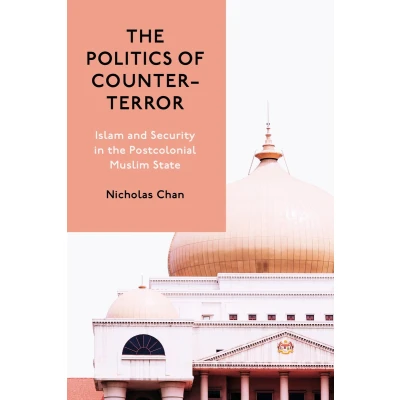
There is a fundamental paradox in counter-terrorism: while Muslim state elites insist that Islam has nothing to do with terrorism, the way Muslim states deal with terrorism has everything to do with Islam. In countries like Morocco and Tunisia, terrorism is treated by governments as if it is a religious problem. Elsewhere, in Malaysia, Islamic actors are relied upon to conduct "deradicalization" programs, Islamic institutions are the key authors of counter-radicalization materials, and Islamic expertise is often considered interchangeable with counter-terror expertise. These findings draw attention to a security logic whereby Islam and Islamic interventions have become central to solving the problem of terrorism. In this theoretically innovative and empirically rich book, Nicholas Chan argues that Malaysia's "Islamized" counter-terrorism is an outcome filtered through a matrix of factors, including postcolonial elite status-seeking, modernist state-building, and the immediacies of governmental problem-solving. Chan fills a void in the Western-centric Global War on Terror literature that often fails to examine what happens when Muslim actors must wage a "war" not of their making but strongly tied to their identity, security, and status. This book's original findings will interest scholars and students of security, international relations, area studies, and Muslim politics.
 Prijshistorie
 * Prijshistorie bevat geen data van Amazon.
Prijzen voor het laatst bijgewerkt op:
 Gerelateerde resultaten
 Productspecificaties


