


€ 21,00 € 2,99 verzendkosten Totaal € 23,99

Uitgelicht
|
|
21,00 |
Naar shop
|

|
23,30 |
Naar shop
|

|
23,30 |
Naar shop
|
| VERGELIJK ALLE AANBIEDERS (3) | ||
 Beschrijving
Vergelijk aanbieders (3)
€ 21,00 € 2,99 verzendkosten Totaal € 23,99
€ 23,30 Gratis verzending
€ 23,30 Gratis verzending
Winkels met andere maten
Beschrijving
(1)
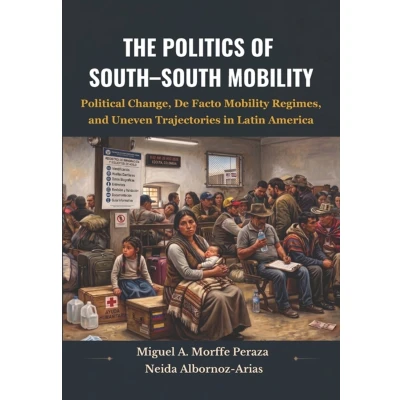
Migration policy does not become reality simply because a law has been passed. Its effects take shape as people cross borders, request protection, obtain documents, look for work and attempt to build stable lives.Drawing on the Venezuelan-Andean, Nicaraguan-Costa Rican and Haitian-Dominican corridors, this book explains why similar political pressures produce different migration responses across Latin America. It follows the path from national decisions to administrative offices, border regions, cities and labor markets, revealing how policies are expanded, filtered, blocked, redirected or compensated along the way.Rather than classifying countries as simply open or restrictive, the authors introduce the concept of the de facto mobility regime: the operating combination of rules, institutions, waiting periods, territorial capacities and controls that determines who can enter, work, remain and avoid removal.Grounded in comparative documentary research, the book offers a clear and original framework for understanding how political change produces unequal migration trajectories across the Global South
 Prijshistorie
 * Prijshistorie bevat geen data van Amazon, Amazon Marketplace.
Prijzen voor het laatst bijgewerkt op:
 Gerelateerde resultaten
 Productspecificaties


