


€ 29,99 Gratis verzending

Uitgelicht
|
|
29,99 |
Naar shop
|

|
34,22 |
Naar shop
|
| VERGELIJK ALLE AANBIEDERS (2) | ||
 Beschrijving
Vergelijk aanbieders (2)
€ 29,99 Gratis verzending
€ 34,22 € 3,14 verzendkosten Totaal € 37,36
Winkels met andere maten
Beschrijving
(1)
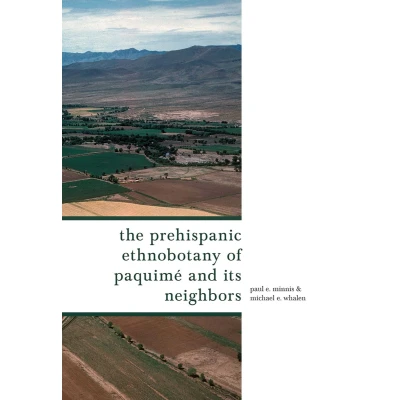
Using archaeological and historical datasets and spatial modeling, this exciting new work moves the field of Andean archaeology into conversations with decolonial and decolonizing methodologies and shows how Indigenous communities captured and made sense of their long history, reframing colonialism as a local experience. Paquimé (also known as Casas Grandes) and its antecedents are important and interesting parts of the prehispanic history in northwestern Mexico and the U.S. Southwest. Not only is there a long history of human occupation, but Paquimé is one of the better examples of centralized influence. Unfortunately, it is also an understudied region compared to the U.S. Southwest and other places in Mesoamerica. This volume is the first large-scale investigation of the prehispanic ethnobotany of this important ancient site and its neighbors. The authors examine ethnobotanical relationships during Medio Period, AD 1200–1450, when Paquimé was at its most influential. Based on two decades of archaeological research, this book examines uses of plants for food, farming strategies, wood use, and anthropogenic ecology. The authors show that the relationships between plants and people are complex, interdependent, and reciprocal. This volume documents ethnobotanical relationships and shows their importance to the development of the PaquimÉ polity. How ancient farmers made a living in an arid to semi-arid region and the effects their livelihood had on the local biota, their relations with plants, and their connection with other peoples is worthy of serious study. The story of the Casas Grandes tradition holds valuable lessons for humanity.
 Prijshistorie
 * Prijshistorie bevat geen data van Amazon.
Prijzen voor het laatst bijgewerkt op:
 Gerelateerde resultaten
 Productspecificaties


